Torn between the energy of Lancaster city and the breathing room of the suburbs? You are not alone. Many buyers love downtown’s character and convenience but also want a yard, a garage, or specific school options. In this guide, you will learn how city and suburban living compare on price, space, schools, walkability, and daily life so you can choose what fits you best. Let’s dive in.
Quick market snapshot
If you are value-focused, the city can be compelling. According to U.S. Census QuickFacts, the median value of owner-occupied homes in Lancaster city is about $219,500, compared with roughly $301,100 across Lancaster County. The same source shows a lower owner-occupancy rate in the city, around 48 percent versus about 70 percent countywide, which signals a higher share of rentals and multiunit properties in-town. You can review these figures in the Census summary for Lancaster city.
Recent MLS-based reporting points to a fast-moving market countywide. A late 2025 summary citing Lancaster County Association of REALTORS data reported a county median sold price in the mid–$350,000s, including about $358,750 in December 2025, with average days on market in the 20 to 30 day range and tight inventory pushing buyers to broaden their searches. Those county numbers do not always reflect city prices on a one-to-one basis, so always note the geography and the date when you compare figures. For current month snapshots, check the most recent local MLS summaries in trusted local business press.
Sources: U.S. Census QuickFacts and a 2025 market recap via Central Penn Business Journal, which references LCAR/Bright MLS data.
Housing types and lot sizes
What you find in the city
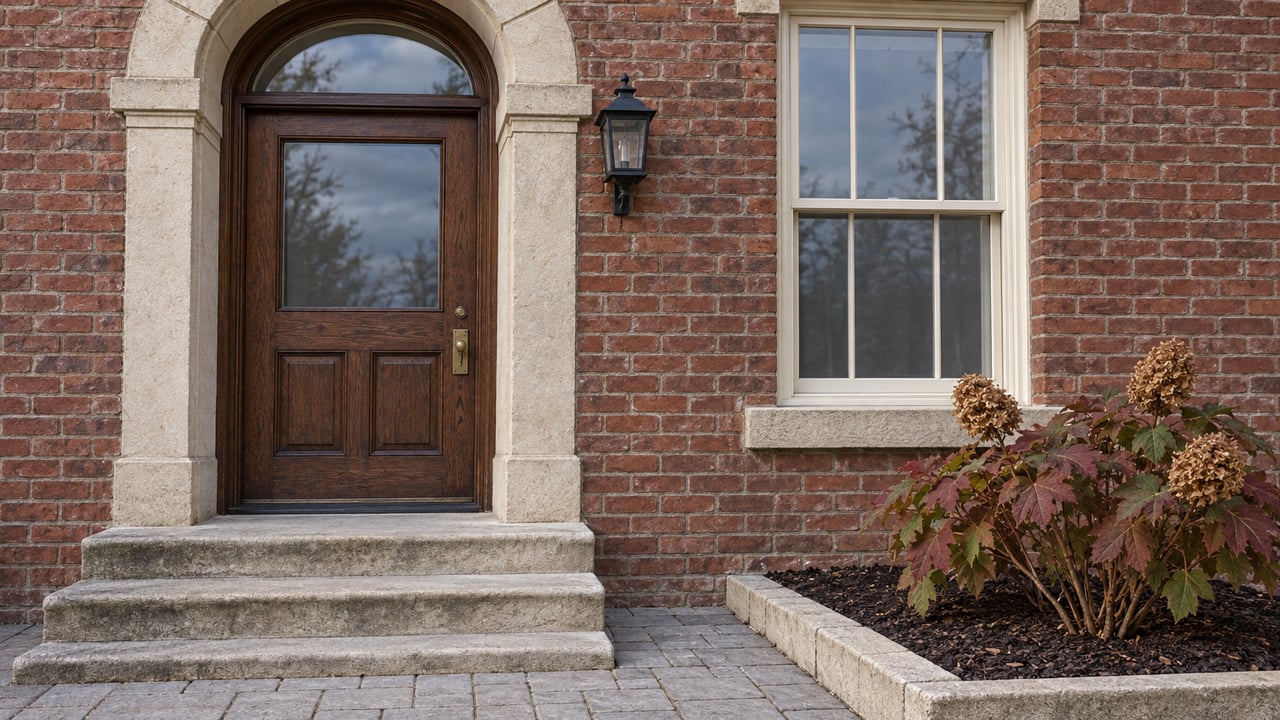
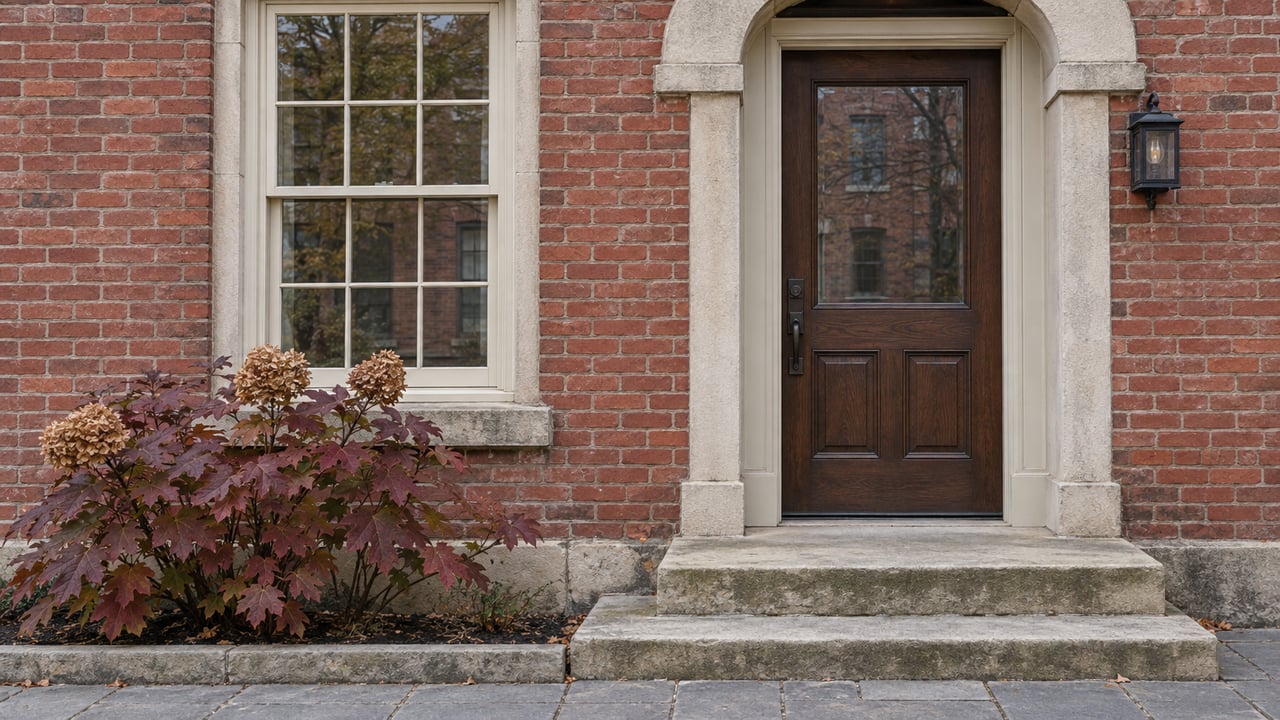
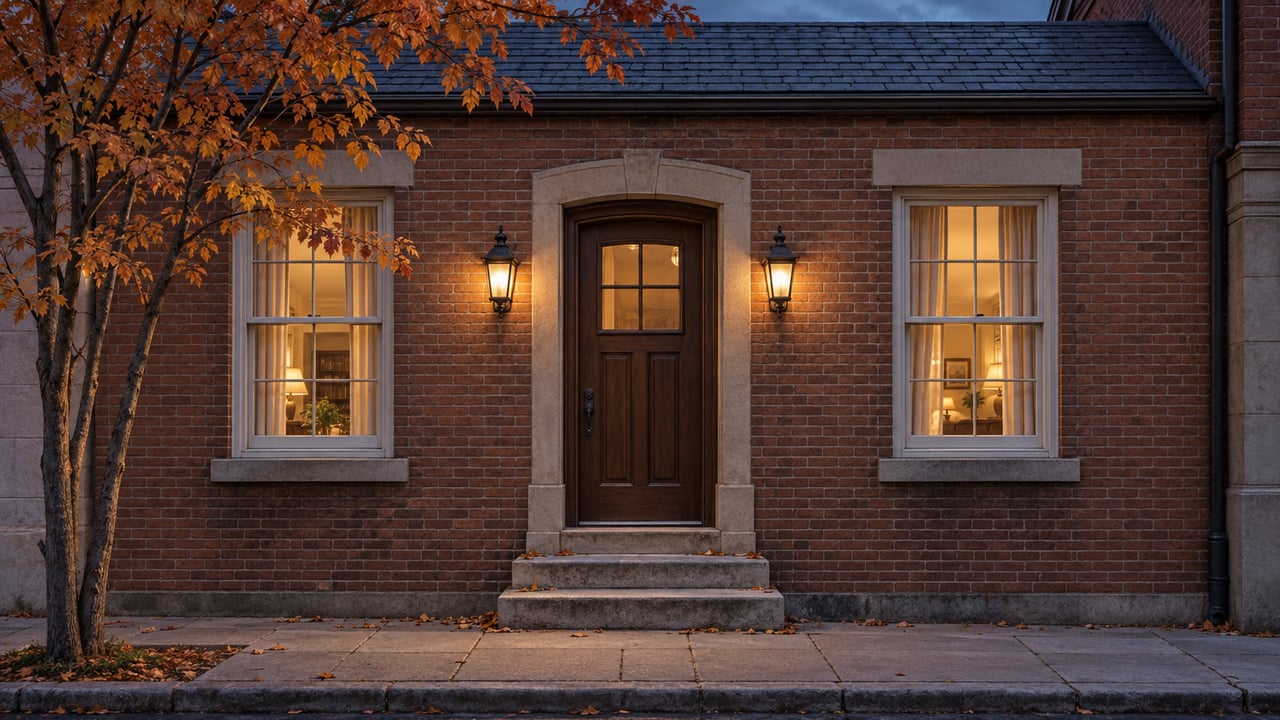
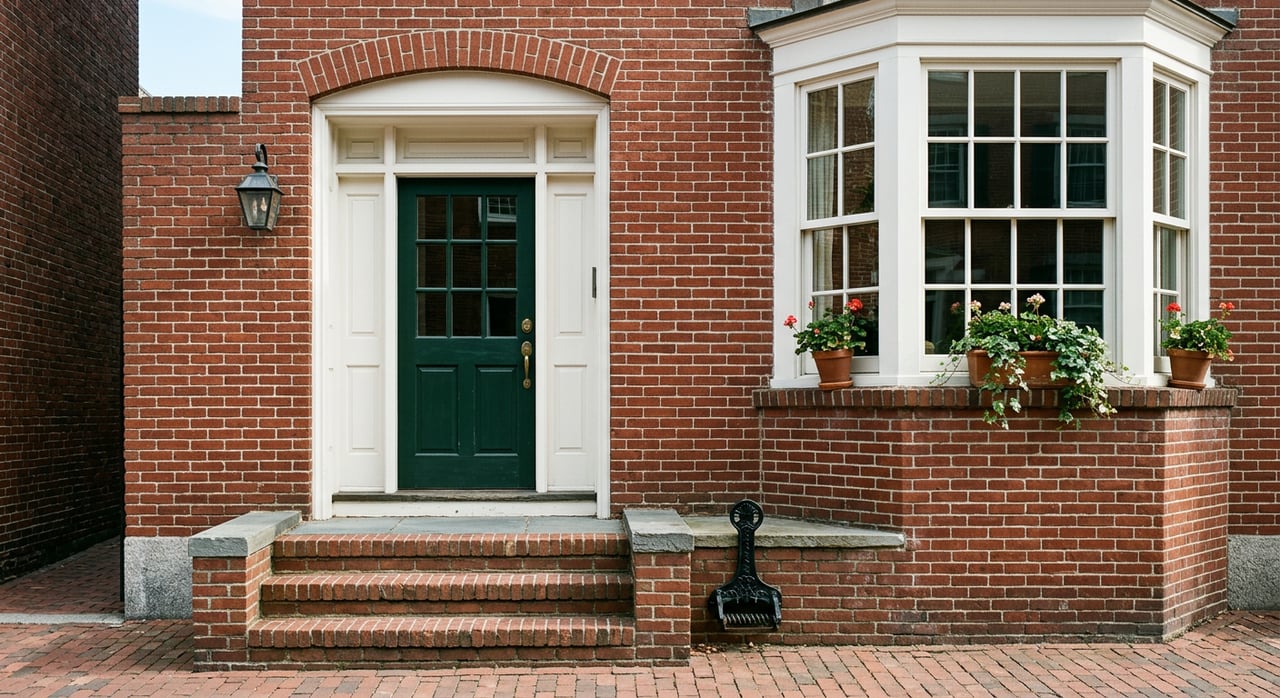
Lancaster city offers classic brick rowhouses and townhomes, duplexes, small-lot single-family homes, and condos above storefronts. Lots are compact, often well under 0.1 acre, which means less yard to maintain and more neighbors nearby. The lower owner-occupancy rate reflects a larger share of rentals and multiunit buildings, especially closer to downtown. City zoning supports higher residential densities in several districts, which helps explain the smaller lots and mixed-use blocks you see across neighborhoods. You can review the city’s zoning framework and density tables in the City of Lancaster zoning code.
What you find in the suburbs
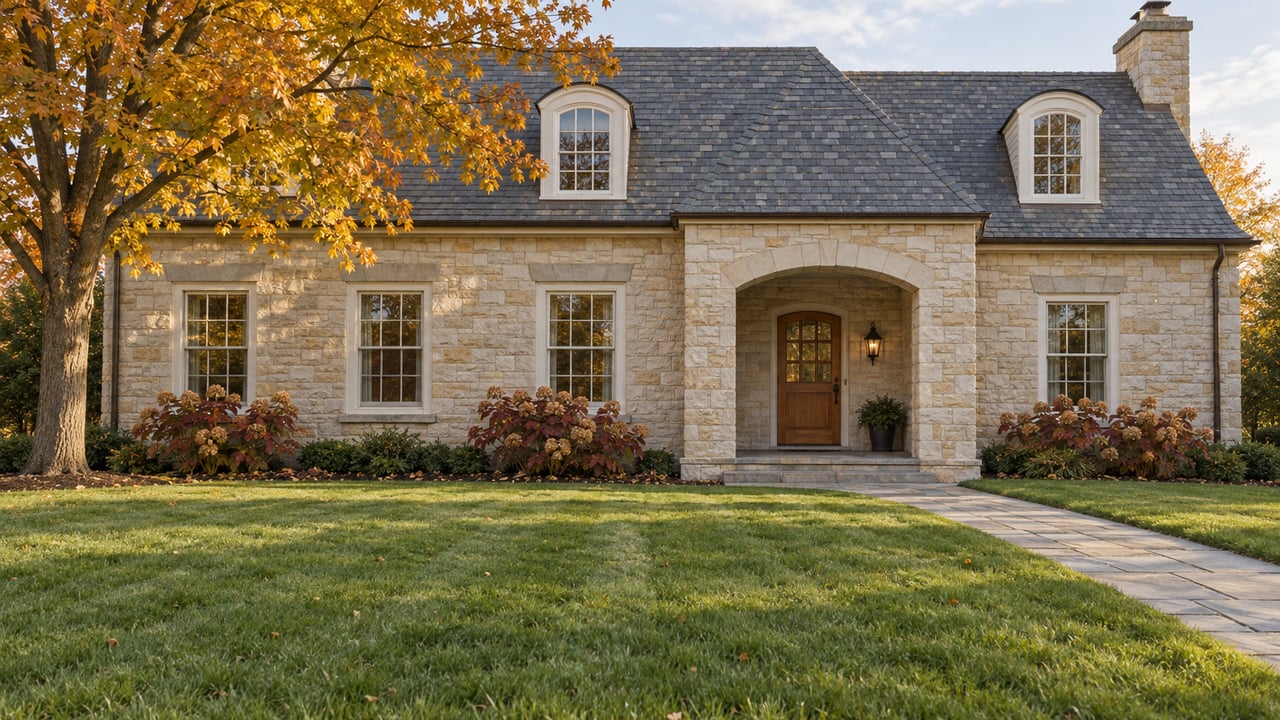
Just outside the city line, you will see more single-family detached homes, larger yards, driveways, and cul-de-sac subdivisions. Typical township lots often range from about 0.15 to 0.5 acres or more, with even larger parcels in rural areas. This pattern is not random. Suburban zoning ordinances commonly require larger minimum lot areas and widths for single-family homes, which produces a roomier streetscape. You can see examples of these requirements in township code references hosted on eCode360, such as suburban minimum lot and width standards that illustrate why yards are bigger.
Schools and district fit
School options are a major driver for many buyers. The School District of Lancaster serves the city and has a different profile than several surrounding districts. Third-party summaries like Niche show a district with a higher share of economically disadvantaged students, which shapes published proficiency and readiness metrics. Review the School District of Lancaster profile for an overview.
In the suburbs, districts often considered by families focused on public school ratings include Manheim Township, Penn Manor, and Lampeter-Strasburg. Third-party profiles commonly rate Manheim Township highly at the district level. You can see a snapshot on the Manheim Township School District page. Keep in mind that school assignment depends on the exact address. Always check current boundary maps and programs directly with the district. Private, parochial, and charter options also exist in and near the city, which can broaden your choices.
Daily life: walkability, transit, and amenities
Walkability and errands
If walking to coffee, markets, arts, and services is high on your list, many Lancaster city neighborhoods deliver. Walk Score highlights the city’s core as very walkable, with areas like the Central Business District, Musser Park, Chestnut Hill, Cabbage Hill, and the West End offering easy access to restaurants and daily errands. Explore neighborhood walkability via the Lancaster Walk Score overview.
Transit and commuting
Lancaster’s Amtrak station on the Keystone and Pennsylvania corridors is a significant asset for commuters to Harrisburg or Philadelphia, or for trips east with a transfer. See the Lancaster Amtrak Station details. Local buses operated by Red Rose Transit Authority provide fixed-route service that is concentrated in the city and nearby hubs, with more limited coverage deeper into rural townships. If you prefer to drive less, living near downtown corridors and the station can make a difference. Learn more about service from Red Rose Transit Authority.
Culture and recreation
Downtown Lancaster is known for its independent restaurants, galleries, and Central Market, plus year-round events and a denser retail mix. Suburban townships typically offer larger parks, trails, and recreation facilities, along with quieter streets. For a snapshot of city demographics and economic context, browse the Lancaster City Alliance overview.
Which lifestyle fits you?
Both options can be a win. The best fit depends on how you live day to day.
- Choose the city if you want a shorter list of home maintenance tasks, strong walkability, proximity to dining and arts, and potential access to rail. Many in-city homes trade private yard size for convenience and character.
- Choose the suburbs if you want a larger yard, off-street parking, newer subdivisions, and proximity to suburban school campuses and recreation fields. You will likely drive to most errands, but you gain private outdoor space.
Quick decision checklist
Use these prompts to clarify your priorities:
- Do you want to walk to restaurants and shops, or are you comfortable driving to most errands?
- How important are public school ratings and programs to you, and do you have a preferred district boundary in mind?
- Do you want a newer, lower-maintenance home, or are you open to updating an older property with character?
- How much private outdoor space do you need for play, pets, gardening, or a workshop?
- What is your maximum commute time, and do you want easy access to Amtrak or local bus routes?
- Are you open to a rowhouse or townhome, or is a detached home a must-have?
Neighborhoods to start your search
For walkability and a vibrant core
Look at Downtown/Central Business District, Musser Park, Cabbage Hill, the West End, Ross, and the Stadium District. These areas often feature smaller lots, attached or semi-attached homes, and strong walkability. Check neighborhood scores and nearby amenities through the Lancaster Walk Score overview.
For schools and more space
Explore Manheim Township neighborhoods, the Penn Manor area in Manor Township and around Millersville, and the East Lampeter to Strasburg corridor. These townships commonly offer larger lots, detached homes, and access to suburban school campuses. Third-party district profiles, such as Manheim Township on Niche, provide broad comparisons. Always verify exact boundaries with the district.
For affordability and historic character
If budget and charm matter, parts of Lancaster city can offer entry-level choices, with older homes that may need updates. You can also consider older suburbs like parts of Lancaster Township or nearby boroughs for a mix of price points. Factor renovation and maintenance into your plan.
For privacy and acreage
If you want elbow room, look toward outer townships and rural parts of the county, including areas around Warwick/Lititz and eastern or western townships. Suburban and rural zoning often requires larger minimum lot sizes, which leads to bigger parcels and more separation between homes. You can see how minimum-lot rules shape streets and yards in suburban code references, and compare that with the city’s higher-density code.
Putting it all together
- Price: Median owner-occupied values are lower in the city than in the county overall, according to Census QuickFacts. This can open doors for buyers prioritizing price or location.
- Space: City lots are compact and easier to maintain. Suburbs typically offer more yard and off-street parking because of zoning rules that require larger lots.
- Schools: Compare district profiles carefully and confirm boundaries by address. Third-party summaries can be helpful starting points, but districts change programs and lines.
- Lifestyle: The city shines for walkability, culture, and transit access. The suburbs excel for private outdoor space, garages, and suburban recreation.
- Market pace: Countywide sales have been fast with tight inventory, according to LCAR/Bright MLS summaries reported in late 2025. Be ready to act when the right home appears.
When you are ready to explore, our team can tailor a search to your budget, school preferences, commute, and maintenance plan. We help you compare specific neighborhoods side by side, including sample lot sizes, school boundary checks, and recent local sales so you can move forward with confidence.
Your next step
Whether you lean city or suburb, the best choice starts with a clear plan. We can line up a neighborhood tour, prepare a custom market analysis, and show you on-market and private opportunities that match your goals. If you are selling, ask for a data-backed pricing strategy and premium marketing that meets today’s fast-moving conditions. Connect with Hoover Lynam and Associates LLC to get started or to Get Your Home Valuation.
FAQs
How do Lancaster city and suburban prices compare?
- Census data shows a lower median value for owner-occupied homes in Lancaster city than the county overall, which can make in-city options more attainable for some buyers.
How fast are homes selling in Lancaster County right now?
- Late 2025 reporting that cites LCAR/Bright MLS shows county medians in the mid–$300,000s with homes often selling in about 20 to 30 days, reflecting tight inventory.
Is Lancaster city walkable for daily errands?
- Many central neighborhoods rate highly for walkability, with easy access to dining, markets, and services, according to Walk Score’s Lancaster overview.
What school districts serve Lancaster city and nearby suburbs?
- The School District of Lancaster serves the city, while nearby options include Manheim Township, Penn Manor, and Lampeter-Strasburg; verify boundaries by address and review third-party profiles.
Can I commute by train from Lancaster?
- Yes. Lancaster’s Amtrak station on the Keystone and Pennsylvania corridors provides service to Harrisburg and Philadelphia, with connections east.
Where can I find larger lots near Lancaster?
- Suburban townships and rural areas commonly require larger minimum lot sizes, which results in bigger yards and more separation between homes compared with city neighborhoods.