Looking for a home where your weekend does not have to start with a car ride? In Lancaster City, some of the most enjoyable routines happen within a few blocks, from morning coffee to market shopping, public art, parks, and evening events. If you want a lifestyle built around shorter trips and a lively downtown rhythm, this guide will help you picture what weekend living can look like in Lancaster’s walkable core. Let’s dive in.
Why Lancaster Feels Walkable
Lancaster City treats walkability as one of its defining strengths. The city’s planning documents note an 81 Walk Score and describe compact, mixed-use urban neighborhoods shaped by historic architecture and a large continuous National Register district.
That matters because walkability is not just about sidewalks. It is about how easily daily life fits together. In Lancaster, the street grid, historic building pattern, and close mix of shops, services, and public spaces make it easier to enjoy more of your weekend on foot.
Where Weekend Life Centers
Downtown Lancaster anchors the routine
For many residents, downtown is the clearest starting point for a car-light weekend. Lancaster City Alliance says Downtown Dollars are accepted at more than 100 Lancaster City merchants, including Central Market, restaurants, galleries, and shops.
The city also lists train, bus, trolley, and taxi options on its public transportation page. That gives you practical ways to move around when you do not want to drive, even beyond your immediate block.
Central Market sets the pace
Lancaster Central Market is one of the strongest weekend anchors in the city center. It is open Tuesday, Friday, and Saturday from 6 a.m. to 3 p.m. and is home to more than 60 small businesses.
If you picture a Saturday that starts with coffee, fresh food, and a few familiar stops, Central Market makes that easy to imagine. It functions as both a shopping destination and a community hub, which adds energy to downtown living.
What a Walkable Weekend Can Look Like
Start with coffee nearby
Lancaster’s core has several coffee and café options that support an easy on-foot routine. Downtown stops mentioned in local tourism materials include Café One Eight, Square One Coffee, Mean Cup at Central Market, and Lemon Street Market.
That mix gives you flexibility. You can keep your routine simple with one favorite place, or vary your weekend with a different stop depending on whether you want a quick pickup, a market visit, or a slower morning.
Shop and run errands on foot
One of the biggest benefits of living in a walkable area is how many small tasks can feel less like chores. Picking up produce, grabbing coffee, browsing a local shop, or meeting someone for lunch can all happen within the same outing.
In Lancaster’s downtown core, those uses are closely layered together. That compact setup helps turn a basic errand run into a more enjoyable part of your weekend.
End with dining or events
Walkable living tends to feel strongest when your day can continue into the evening without a long drive home. Downtown Lancaster supports that pattern with restaurants, galleries, performance venues, and recurring events clustered within a relatively small area.
That means your weekend can flow naturally from morning coffee to afternoon shopping to an evening performance or event. For many buyers, that convenience is part of the appeal of living close to the core.
Parks and Public Spaces Nearby
Green space is built into the grid
Lancaster’s parks are not limited to one destination far from downtown. The city lists Binn’s Park, Ewell Plaza, Penn Square, Musser Park, and Buchanan Park among its downtown and downtown-adjacent public spaces, with larger parks such as Reservoir Park and Long’s Park also part of the city system.
For you as a resident, that can make a difference in how often you actually use outdoor space. When small parks and plazas are woven into the city grid, it is easier to fit in a short walk, a casual meetup, or time outside during the weekend.
Public spaces support daily life
These public spaces add more than scenery. They help create places to pause, gather, and move through the city at a slower pace.
In a walkable neighborhood, that kind of public-life network matters. It gives your weekend more variety and makes the area feel active even when you are not heading to a major destination.
Arts and Culture Within Walking Distance
Public art shapes the experience
Lancaster’s Office of Public Art says the city is home to hundreds of pieces of public art. As a result, walking downtown can feel less like moving through a single shopping district and more like experiencing an open-air arts corridor.
That creates a different kind of weekend atmosphere. Even a short walk to coffee or dinner can include murals, installations, and visual details that make the route itself feel interesting.
Major venues cluster downtown
Several arts venues sit within easy walking distance of one another. The Demuth Museum at 120 East King Street and the Lancaster Museum of Art at 135 North Lime Street are only a few blocks apart, according to the Demuth Foundation.
The Ware Center at 42 North Prince Street regularly hosts performances, films, art exhibits, and lectures. The Fulton Theatre at 12 North Prince Street describes itself as a regional theatre with community programming and classes.
When venues are this close together, planning a weekend outing becomes easier. You are not piecing together a long travel day. You are simply choosing how to spend your time.
Recurring Events Add Energy
First Friday keeps the calendar full
Discover Lancaster says First Friday takes place monthly, with galleries open until 8:30 p.m. and most activity concentrated within a few blocks. That kind of recurring event strengthens the appeal of living nearby because it gives the neighborhood a built-in rhythm.
Instead of needing a special plan every month, you have a regular reason to head outside and enjoy the city. For some residents, that predictability is a big part of what makes walkable living feel worthwhile.
Seasonal events expand your options
The city’s special events page highlights Music Fridays on the third Friday from May through December, along with events such as Lancaster Art Market, Movies in the Park, Art Walks, Lancaster PA Pride, and the Puerto Rican Parade.
Lancaster Recreation Commission also adds to local activity with more than 400 neighborhood-based recreation and learning opportunities at schools, parks, playgrounds, and indoor and outdoor facilities. Together, those options can help your weekends feel active without needing to leave the city.
What Homes Near the Walkable Core May Look Like
Housing types are varied
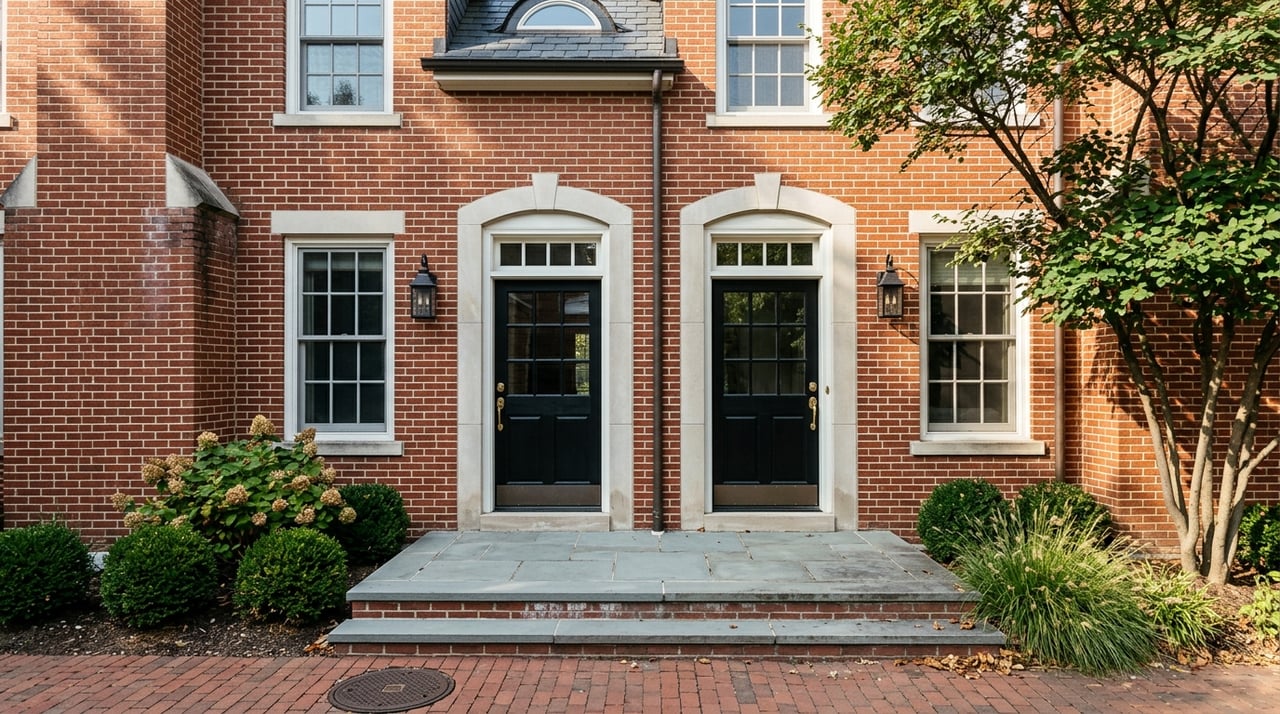
Lancaster County planning materials show a broad mix of housing types that fit a walkable-city lifestyle. These include single-family detached homes, townhouses, duplexes, lofts, building conversions or redevelopment, multi-use multifamily housing, accessory dwelling units, and senior-living formats.
That variety gives buyers more than one path into city living. Depending on your budget, goals, and preferred level of maintenance, you may find options that range from historic row-style housing to apartments, lofts, and mixed-use conversions.
The city is adding housing diversity
The City of Lancaster says it wants to increase the supply and diversity of housing, with an emphasis on homes for rent and purchase. The city reports more than 1,500 housing units in development, about 23,743 dwelling units citywide, at least 1,700 affordable housing units, and more than 225 additional affordable units in production.
That points to an active housing conversation in the city. For you as a buyer or seller, it means the market includes both established housing stock and ongoing development activity.
Ownership and rental options both matter
Census QuickFacts shows an owner-occupied housing rate of 48.6% in Lancaster city, a median owner-occupied home value of $219,500, and a median gross rent of $1,240. Those numbers suggest a meaningful mix of ownership and rental housing rather than a market dominated by only one style of living.
In practical terms, that can support a more flexible housing landscape near the walkable core. Some buyers may want a primary residence close to downtown, while others may be comparing Lancaster city living with nearby neighborhoods that offer a different housing pattern.
Is a Car-Light Weekend Realistic?
For many residents, yes
In Lancaster’s core, a car-light weekend is realistic because so many amenities are concentrated close together. Add in the city’s listed train, bus, trolley, and taxi options, and it becomes easier to picture outings and errands without relying on your car for every stop.
That does not mean every household will use the city in the same way. But if your goal is to live where walking is part of the lifestyle rather than an occasional activity, Lancaster’s downtown neighborhoods offer a strong local example.
Historic character is part of the appeal
The city’s comprehensive plan describes historic architecture as a defining feature of daily life in Lancaster. That helps explain why walkable blocks here often feel denser, older, and more layered than newer retail areas built around large parking lots.
For many buyers, that physical setting is a major part of the draw. You are not just choosing a home. You are choosing how it feels to step outside on a Saturday morning.
How to Evaluate Walkable Areas as a Buyer
If you are considering Lancaster’s most walkable areas, it helps to look beyond the map and think about your actual routine. A neighborhood can be walkable on paper, but the better question is whether it supports the places and habits you care about most.
As you compare options, consider:
- How close you want to be to Central Market and downtown shops
- Whether you prefer historic homes, apartments, lofts, or townhouses
- How often you expect to use parks, galleries, and event spaces
- Whether a car-light weekend matters to your lifestyle
- How your budget aligns with city housing options and nearby alternatives
The right fit depends on your priorities. Some buyers want to be in the middle of the downtown rhythm, while others prefer to live just outside the busiest blocks and still enjoy easy access.
If you want help comparing Lancaster neighborhoods, housing types, or resale potential near the city’s walkable core, Hoover Lynam and Associates LLC can help you make a confident move with local insight and personalized guidance.
FAQs
What makes downtown Lancaster walkable for weekend living?
- Downtown Lancaster combines compact blocks, shops, cafés, Central Market, parks, arts venues, and recurring events within a relatively small area, making it easier to enjoy errands and outings on foot.
When is Lancaster Central Market open for weekend shopping?
- Lancaster Central Market is open Tuesday, Friday, and Saturday from 6 a.m. to 3 p.m.
What parks are near Lancaster’s walkable downtown areas?
- The city lists downtown and nearby public spaces such as Binn’s Park, Ewell Plaza, Penn Square, Musser Park, and Buchanan Park, along with larger parks like Reservoir Park and Long’s Park.
What arts venues are within walking distance in Lancaster City?
- The Demuth Museum, Lancaster Museum of Art, Ware Center, and Fulton Theatre are all part of Lancaster’s downtown arts cluster and are located within easy walking distance of one another.
What types of homes are found near Lancaster’s walkable core?
- Lancaster County planning materials describe a mix that includes single-family homes, townhouses, duplexes, lofts, building conversions, multi-use multifamily housing, accessory dwelling units, and other housing formats.
Is Lancaster City a mix of renters and homeowners?
- Yes. Census QuickFacts reports an owner-occupied housing rate of 48.6% in Lancaster city, which points to a meaningful mix of ownership and rental housing.