If you are looking for a small rental market where the numbers can still make sense, York deserves a closer look. For many investors, the challenge is finding a city with reachable entry prices, steady renter demand, and enough neighborhood variety to create opportunity without guessing. This guide will help you evaluate how York fits that picture, what types of properties tend to match the market, and where careful underwriting matters most. Let’s dive in.
Why York Stands Out
York is a compact city with a renter-heavy housing profile, which immediately puts it on the radar for small rental investors. The 2020 to 2024 ACS reports 45,241 residents and 17,893 households, with just 43.7% of homes owner-occupied. That means a large share of the market is renter-based, which can support long-term rental demand.
York also looks more accessible on price than many nearby markets. The ACS shows a median gross rent of $1,014 and a median owner-occupied home value of $119,700. Using those medians as a rough screen, York posts a gross rent-to-price ratio of about 10.2%, which suggests a more yield-oriented setup than Lancaster and a profile closer to Harrisburg.
That does not mean every property works. It means York can offer a better starting point for small investors who care about cash flow and basis, especially compared with higher-cost cities nearby.
York Favors Small Investors
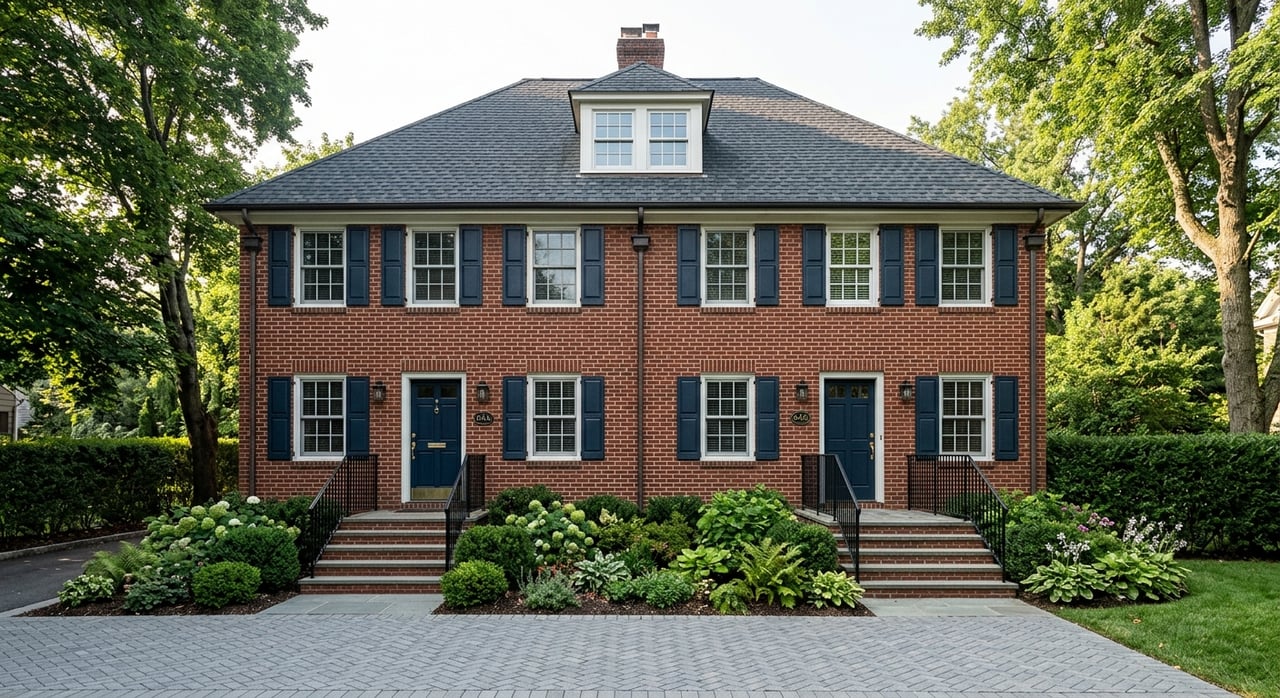
One of York’s biggest strengths is its housing stock. Census-based data from Point2Homes shows the city has 19,505 housing units, and much of that inventory sits in smaller residential formats rather than large apartment towers. Attached single-family homes make up 40.2% of the housing stock, detached single-family homes account for 22.1%, two-unit buildings make up 12.3%, and three- or four-unit buildings account for 9.8%.
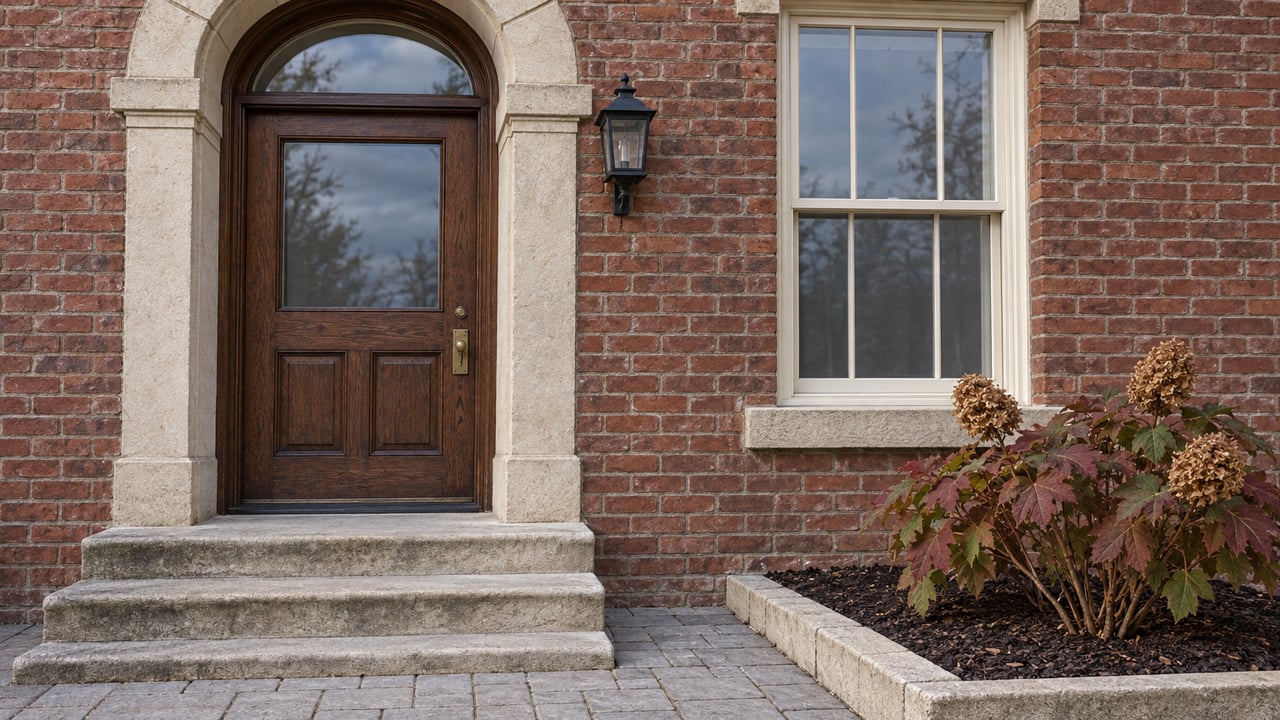
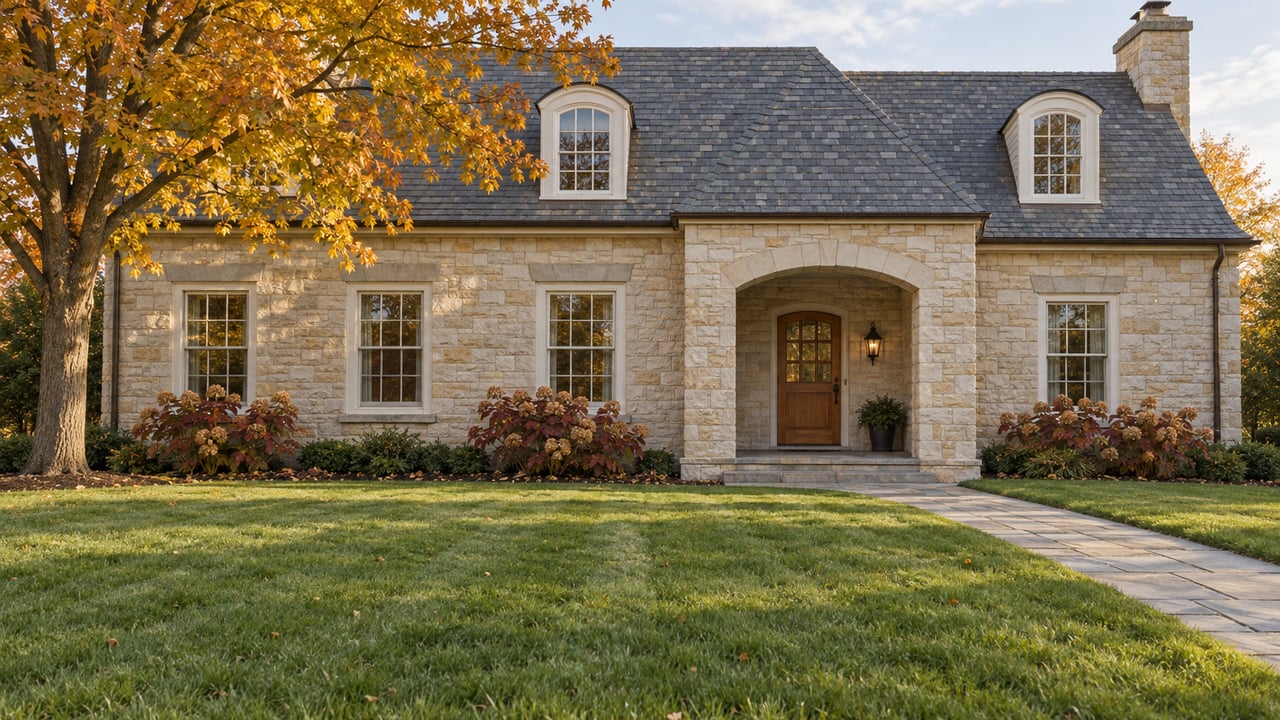
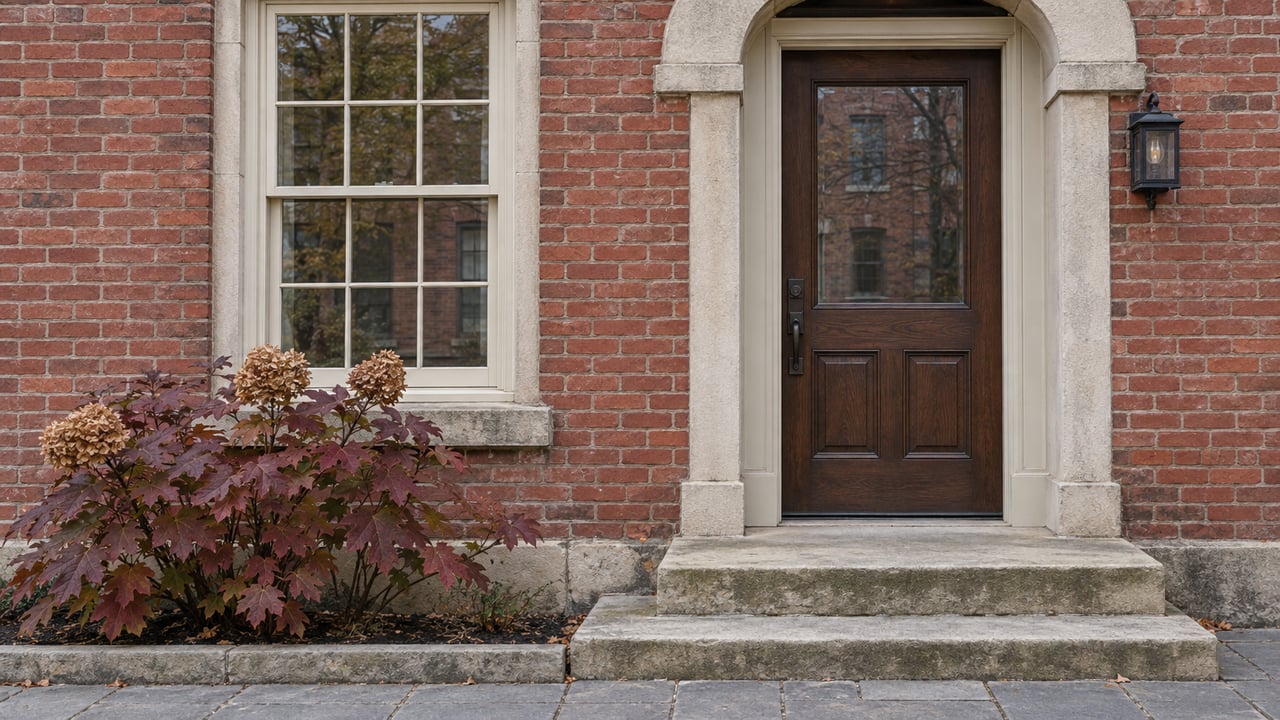
That mix matters because it lines up well with the types of properties many small investors actually buy. In York, rowhouse-style homes, duplexes, and small multifamily properties are often a more natural fit than larger apartment assets. If your strategy centers on buy-and-hold ownership with active oversight, York’s housing mix supports that approach.
The city’s age also shapes the investment picture. The median construction year is 1941, and 49.3% of homes were built before 1940. Older housing can create opportunity at a lower purchase basis, but it also raises the importance of inspections, repair planning, and realistic maintenance budgets.
Rent Levels Support Value-Add Strategies
York’s rent distribution suggests a practical, middle-market rental environment. Point2Homes reports that 52.8% of apartments fall in the $1,000 to $1,500 rent band. That points to a market where disciplined improvements and solid operations may be rewarded more consistently than high-end luxury positioning.
Unit mix is also important when you look at demand. The deepest rental cohorts are one-bedroom units at 3,082, two-bedroom units at 2,351, and three-bedroom units at 1,874. That gives small investors several workable product types to consider, depending on the property and the block.
For many buyers, this means York is less about chasing premium rents and more about matching the right property to the right tenant pool. If you buy well, improve thoughtfully, and keep your rent targets grounded in local conditions, the market may offer a solid path for long-term hold performance.
Tenant Demand Looks Meaningful
Strong rental investing depends on more than purchase price. You also need evidence that people want to stay in the market. York shows several signs of durable renter demand.
Point2Homes reports a 2.5% rental vacancy rate in York City, which is relatively tight. The same source shows a median renter household income of $33,382, a median renter household size of 2.57, and that 50% of renter households are family households. It also reports that 36% of rental homes include children under 18 and that the median renter moved into the unit in 2016.
Taken together, those figures suggest a renter base that is not purely short-term or highly transient. For a small investor, that can support a strategy built around stable occupancy, practical renovations, and responsive property management.
York’s population profile also matters. The ACS reports that 29.4% of residents speak a language other than English at home and 11.1% are foreign-born. In practice, clear communication, straightforward leasing materials, and responsive maintenance systems can make a meaningful difference in day-to-day operations.
Neighborhood Rents Vary Widely
One of the biggest mistakes small investors can make in York is treating the city like one rent pool. Neighborhood-level rent data shows a wide spread, which means your underwriting should be highly local.
Redfin reports median rents of $1,397 in Olde Towne East, $1,272 in Salem Square, $1,195 in Yorktowne and Southwest York, $1,110 in Downtown York, $1,025 in West Bank and The Avenues, $962 in Historic Newton Square, $822 in Northeast York, and $795 in Downtown East. That range is too wide to ignore.
A property that works in one area may not work a few blocks away if your purchase basis, rehab scope, and rent expectations are off. In York, street-by-street analysis matters. Before you move forward, it helps to compare local rent levels, recent leasing activity, physical condition, and the cost of bringing the property into rentable shape.
York Requires Active Management
York can be attractive, but it is not a passive market. The city requires tenant-occupied residential rental licenses and performs an inspection before issuing a license. The city also requires out-of-county owners to designate a manager in York County or a contiguous county.
The local rules go further. Licenses can be barred when delinquent city balances exist, and inspections are based on the Property Maintenance Code Book rather than a separate checklist. The city also maintains systems for property complaints, blight reporting, and fair housing enforcement.
For a small investor, this means local execution matters just as much as the purchase price. Due diligence should include:
- Confirming rental license status
- Reviewing inspection and code history
- Checking for delinquent city balances
- Understanding repair needs before closing
- Having a realistic plan for local management and maintenance response
If you live outside the area or want a hands-off experience, York may feel more demanding than expected. If you are prepared to stay engaged and operate carefully, that same hands-on environment may create opportunity where less prepared buyers struggle.
Subsidy-Sensitive Demand Is Part of the Market
The Housing Authority of the City of York plays a meaningful role in the local housing landscape. It administers both public housing and Section 8 in the city and county and owns and manages 1,070 public-housing apartments. That tells you there is a meaningful subsidy-sensitive tenant pool in the broader market.
For investors, this is important context rather than a blanket strategy. If you plan to serve tenants using housing assistance, your leasing assumptions should be grounded in local program rules and inspection standards. It is worth understanding how those requirements may affect timelines, rent setting, and unit readiness.
How York Compares With Nearby Markets
York sits in an interesting position within Central Pennsylvania. Compared with York County overall, the city is much more renter-oriented and shows a stronger rough rent-to-value screen. York County has a 76.3% owner-occupied rate, a median gross rent of $1,193, and a median value of $248,600, which works out to about 5.8% on the same gross screen.
That gap helps explain why the city often draws investor attention more than the broader county. You are looking at a lower-cost, more renter-heavy environment where small properties may pencil better on the front end. At the same time, the city requires more careful operations and more block-level due diligence.
In simple terms, York may be more accessible than Lancaster on basis and more favorable for yield-oriented investors, but success still depends on buying the right deal and managing it well.
What Small Investors Should Watch
If you are evaluating York, focus on the issues that most directly affect day-one performance and long-term hold quality.
Watch the basis carefully
A lower purchase price can be one of York’s biggest advantages. Still, that advantage disappears quickly if the rehab scope is underestimated. Older homes, especially those built before 1940, deserve a close review of systems, structure, and deferred maintenance.
Underwrite rents by micro-location
Citywide averages can help you screen deals, but they are not enough for final decisions. Neighborhood rent dispersion is too wide. Build your rent assumptions from the immediate area, not from broad city medians.
Match the property to the market
York’s stock leans toward attached homes, duplexes, and small multifamily buildings. In many cases, these are the asset types that align best with local demand. The goal is not just to buy what is available, but to buy what the market already supports.
Plan for active operations
York is better suited to investors who expect to stay involved. Licensing, inspections, code compliance, and local management all matter here. A strong deal on paper can become much weaker if you are not ready for the operating side.
Is York a Good Fit for You?
York may be a strong market for small rental investors if you value attainable entry points, practical rent levels, and the ability to improve performance through smart buying and hands-on management. It is not a market where broad averages alone will protect you. It rewards careful property selection, detailed local research, and realistic operating plans.
For investors who want a more passive, turnkey experience, York may feel too operationally involved. For investors who understand older housing, track neighborhood differences, and want a cash-flow-oriented city market in Central Pennsylvania, York is well worth serious consideration.
If you want help identifying rental opportunities, comparing blocks, or evaluating whether a York property fits your goals, Hoover Lynam and Associates LLC can help you navigate the market with local insight and a team-based approach.
FAQs
What makes York, PA appealing to small rental investors?
- York offers a renter-heavy market, relatively accessible home values, and a rough gross rent-to-price screen that looks stronger than some nearby cities, which may appeal to investors focused on basis and cash flow.
What property types are common for rental investing in York?
- York’s housing stock includes many attached single-family homes, duplexes, and small multifamily buildings, which often line up well with small buy-and-hold investment strategies.
How important is neighborhood analysis in York rental investing?
- It is very important because reported median rents vary widely across York neighborhoods, so deal analysis should be done at the neighborhood and street level rather than using one citywide rent assumption.
What local rules should York rental property owners know?
- York requires tenant-occupied residential rental licenses, inspections before license issuance, and local management designation for out-of-county owners, so investors should review compliance requirements before closing.
Is York better for passive or active rental investors?
- York generally fits active investors better because older housing, licensing requirements, inspections, and neighborhood variation all reward close oversight and local execution.