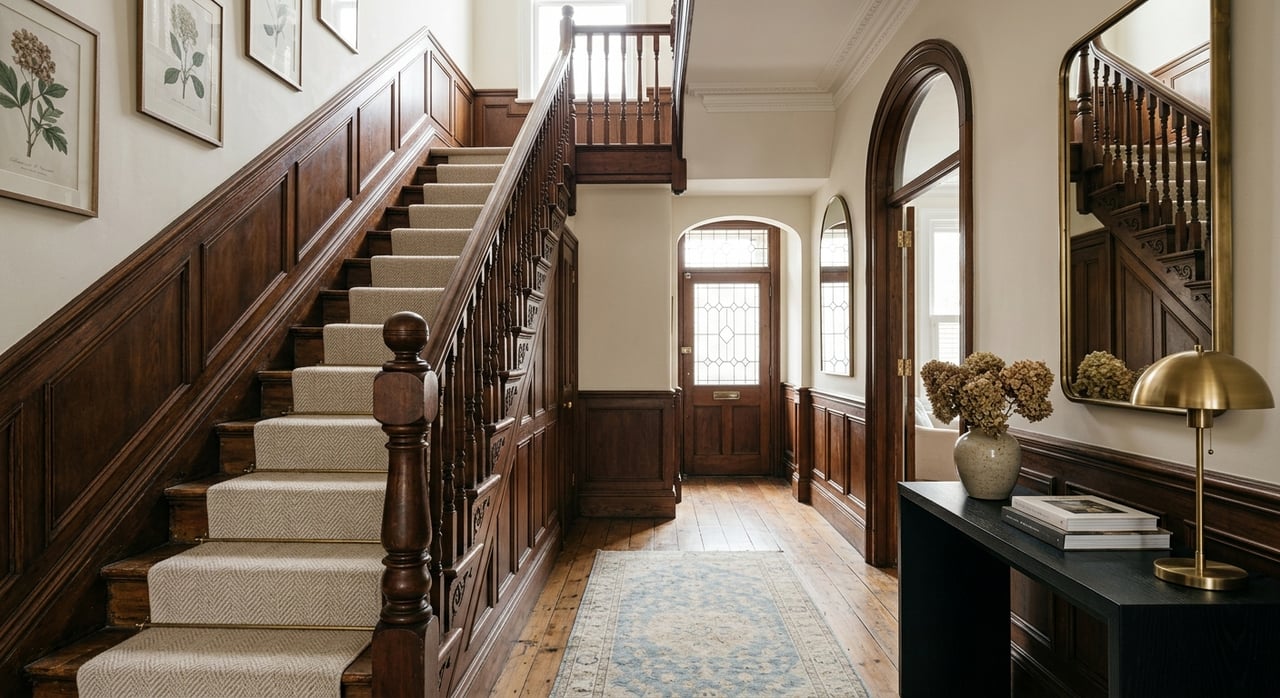
If you own a historic home in Lancaster, you already know its charm can be a huge advantage and a real question mark for buyers. People love original details, brick facades, and front porches, but they also worry about maintenance, condition, and what updates may come next. The good news is that with the right preparation and presentation, you can market character and build confidence at the same time. Let’s dive in.
Why Lancaster’s Historic Homes Stand Out
Lancaster has a deep architectural history, and that matters when you sell. The city created its first local historic district in 1967, and historic districts remain part of how Lancaster protects neighborhood character while guiding change.
That backdrop gives older homes a built-in story. Lancaster’s planning documents note that about 52% of the city’s housing units pre-date World War II, and more than 70% were built before 1960. In other words, historic housing is not a niche here. It is a major part of the local market.
Why Buyers Hesitate
The same age that makes a home appealing can also make buyers pause. Lancaster’s comprehensive planning materials note that older homes may contain lead, faulty wiring, and structural issues. Even when a home is in good shape, buyers often want proof that it has been cared for.
That is why marketing a historic home today is not just about beauty. It is about showing thoughtful upkeep, clear documentation, and an honest picture of what makes the home special.
Focus on Stewardship, Not Just Style
Today’s buyers often respond best when a historic home feels both authentic and manageable. Lancaster’s preservation guidance supports a repair-first approach: keep intact features, repair damaged ones, and replace only when necessary in a way that matches the original look.
For sellers, that means your best updates may not be flashy. They are often the practical improvements that make a buyer feel the home has been responsibly maintained over time.
Updates That Build Buyer Confidence
Before listing, focus on improvements that support safety, comfort, and visual care. Lancaster planning materials encourage energy-efficient rehabilitation, weatherization, lead remediation, accessibility improvements, and similar repairs that improve livability without stripping away character.
A strong pre-listing checklist may include:
- Serviced mechanical systems
- Repaired masonry or exterior trim
- Clean gutters and downspouts
- Working lighting inside and out
- A tidy front walk and entry
- Documentation for recent roof, porch, window, or door work
- Minor repairs that remove obvious deferred maintenance
These kinds of updates help buyers see stewardship instead of future expense.
Highlight the Features Buyers Remember
Historic homes tend to win attention when you market the details that newer homes cannot easily replicate. In Lancaster, porches are especially important. The city notes that porches became common on rowhomes in the late 19th century and still help define many older blocks today.
That means your porch is not just a nice extra. It can be part of the home’s identity, the street’s rhythm, and the first impression buyers carry through the rest of the showing.
Character Features Worth Calling Out
When preparing your listing, focus on details that are specific and visible, such as:
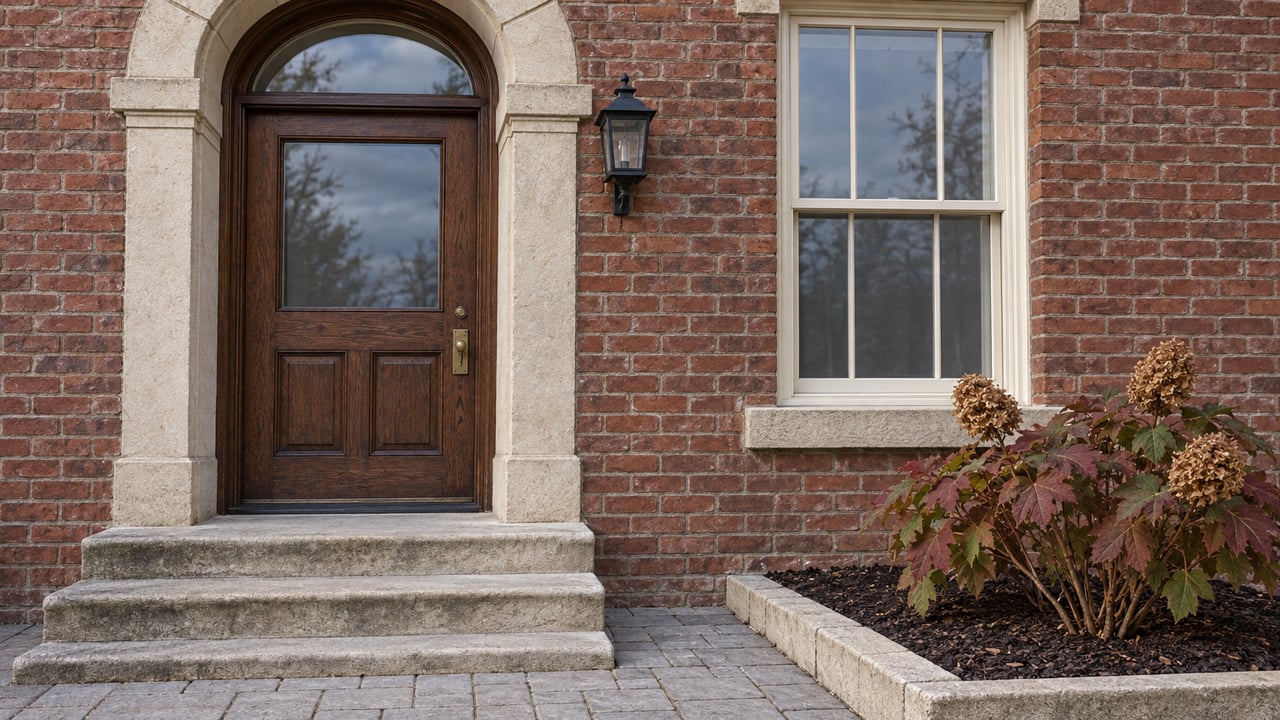
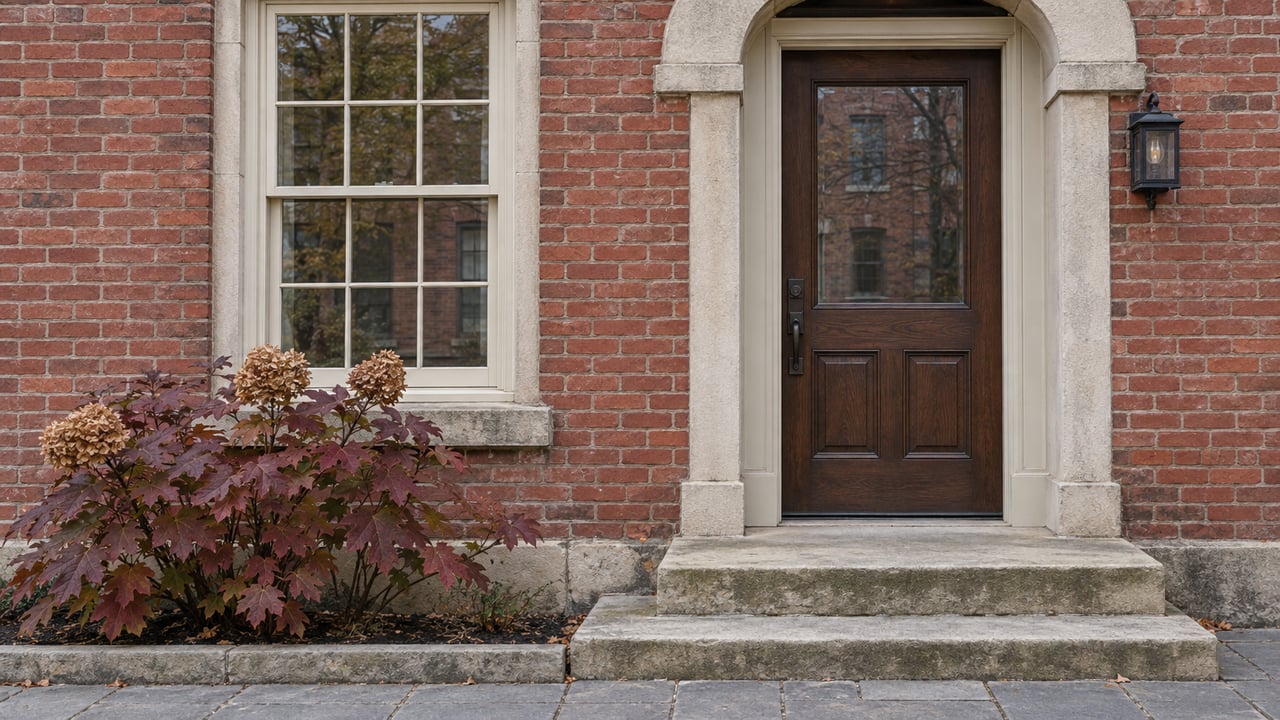
- Original brick or stone texture
- Porch design and condition
- Front door details
- Historic trim, millwork, or stair elements
- Window shape and natural light
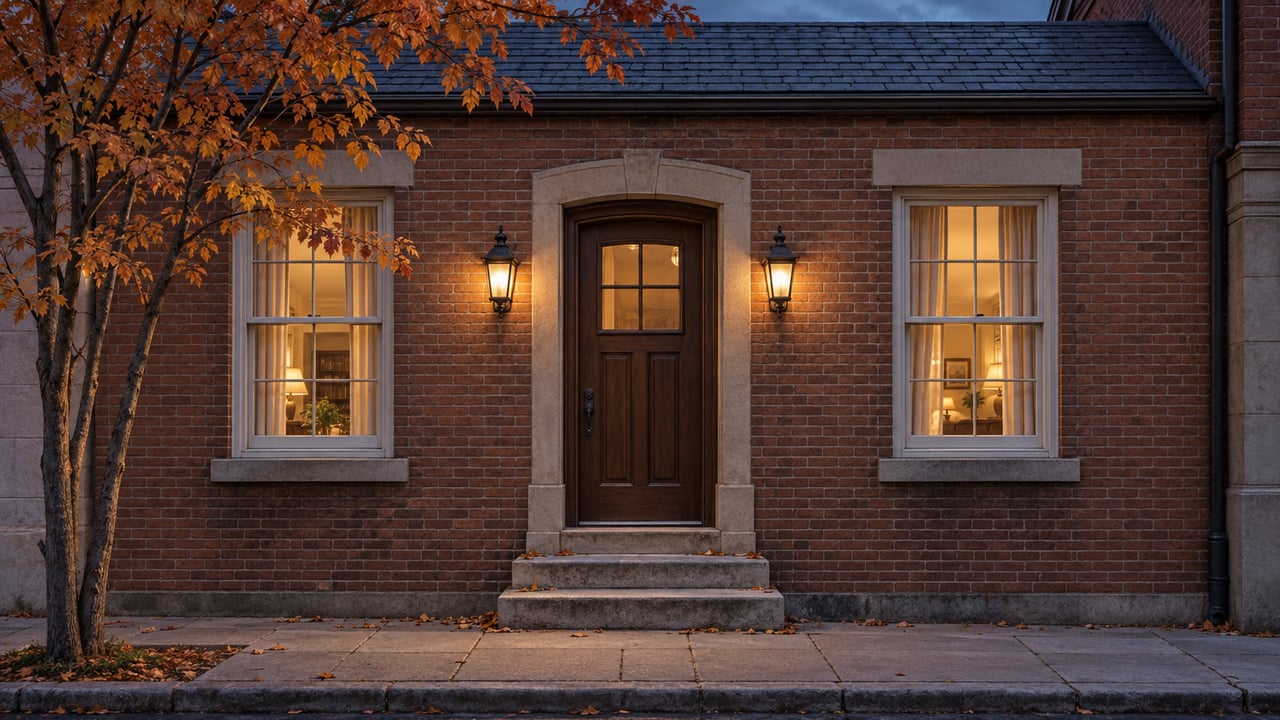
- The visual rhythm of the facade within the block
Specifics work better than vague nostalgia. Buyers respond more strongly to craftsmanship they can picture than to broad phrases that do not tell them much.
Market the Lancaster Lifestyle
Historic homes in Lancaster often sell on more than architecture alone. Lancaster’s planning materials identify amenities, walkability, and lower cost of living as local strengths. The city also notes that Lancaster attracts people from out of state and older adults from elsewhere in the county, which makes lifestyle-based marketing especially effective.
That local context lines up with wider buyer preferences. Research from NAR found that 79% of respondents said walkability was very or somewhat important, and 78% said they would pay more for a home in a walkable community.
For many buyers, that changes the conversation. A compact rowhome or older single-family home may feel more appealing when the listing clearly shows the value of being close to daily conveniences, downtown destinations, and the overall rhythm of city living.
What to Emphasize in the Listing
If your home benefits from a convenient location, your marketing should say so clearly. Buyers often want to understand not only the house, but also how daily life might feel there.
Your listing can speak to:
- Walkability and nearby amenities
- Porch use and connection to the streetscape
- The ease of living in a compact historic layout
- Character details that make the home feel distinct
- Updates that support comfort and usability today
NAR research also found that about half of respondents would prefer a walkable community and a shorter commute even if it meant an attached home or a smaller yard. That is especially relevant in Lancaster, where many historic homes offer location and character in exchange for a more compact footprint.
Use Staging to Make Old Homes Feel Current
Historic does not have to feel dated. In fact, staging can be one of the most effective ways to help buyers connect with an older home.
NAR found that 81% of buyers’ agents said staging made it easier for clients to visualize living in the home, and 48% of sellers’ agents said staging reduced time on market. That matters even more when a home has a unique layout or period details that some buyers may not know how to interpret.
Best Rooms to Stage First
If you are prioritizing your time and budget, start with the rooms that tend to shape buyer perception the most. NAR identifies these as the living room, primary bedroom, dining room, and kitchen.
In a historic Lancaster home, good staging should help buyers see how classic features and modern living can work together. Clean lines, appropriate furniture scale, and light, neutral styling often do more than trying to force a dramatic redesign.
Simple Prep Before Photos and Showings
The basics still matter. NAR’s seller prep guidance highlights common steps such as decluttering, whole-home cleaning, removing pets during showings, professional photos, minor repairs, carpet cleaning, depersonalizing, painting, landscaping, and grouting.
These steps are especially important in older homes because the camera tends to magnify clutter, dust, and worn surfaces. A clean, calm presentation helps buyers focus on character instead of chores.
Invest in Better Listing Photos
Most buyers will meet your home online before they ever step inside. NAR reports that 52% of buyers found the home they purchased online, nearly half started their search there, and 81% rated listing photos as the most useful feature during online home shopping.
That means photos are not an afterthought. They are one of the main tools that shape whether buyers book a showing or keep scrolling.
What Historic Home Photos Should Show
For a Lancaster historic home, photos should capture both beauty and reality. High-resolution images, natural light, and careful room setup are essential.
Try to showcase:
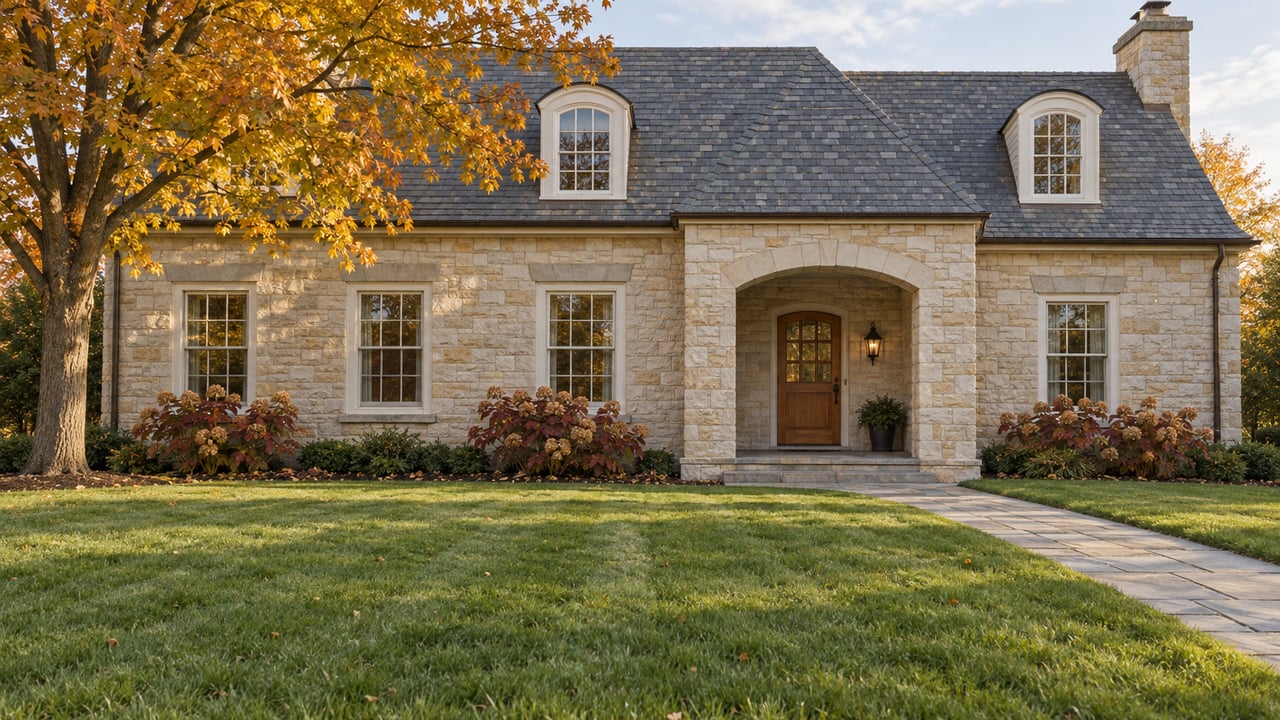
- The facade and front porch
- Brick, stone, and original materials
- The main living spaces with balanced furniture placement
- Natural light and ceiling height where relevant
- Key updates buyers will care about
- The condition and cleanliness of visible surfaces
NAR also warns that editing photos in ways that disguise condition, scale, or cost can backfire. Buyers want the in-person experience to match what they saw online, so transparency matters.
Answer Buyer Questions in the Listing Copy
A strong historic-home listing should not leave buyers guessing. NAR’s guidance on online visibility notes that descriptions work best when they answer common buyer questions up front.
For an older Lancaster home, those questions are often clear. Buyers want to know what is original, what has been updated, what may still need attention, and how the home fits into the surrounding block and daily lifestyle.
What Strong Listing Copy Includes
The most effective copy is specific, balanced, and easy to trust. It should cover:
- Original architectural features
- Recent repairs or improvements
- Practical condition notes when relevant
- Whether the home offers a walkable lifestyle
- Why the porch, facade, or streetscape stands out
The goal is not to oversell. It is to give buyers enough clarity that they feel informed before they walk through the door.
Understand Historic District Rules Before You Market
If your property is in Lancaster’s local historic district, exterior changes may be subject to review. The city’s HARB reviews many visible exterior alterations, including front doors, porches, dormers, window openings, and material changes such as vinyl windows or asphalt shingles.
Interior work and exterior paint are generally not reviewed, while in-kind repairs usually need a permit but not full HARB review. If you have completed exterior work, it is smart to verify whether prior changes were approved before marketing them as updates.
That extra step can reduce hesitation. When buyers see that visible work aligns with local requirements, they may feel more comfortable moving forward.
Why Presentation Matters More Than Ever
Buyers still rely heavily on agents to navigate the process, with NAR reporting that 88% of buyers purchased through an agent or broker. But the decision to engage often starts with how a listing looks and reads online.
For a historic Lancaster home, the best marketing approach usually comes down to balance. Emphasize the features people cannot easily find elsewhere, show the lifestyle that comes with the location, and clearly demonstrate that the property has been cared for.
When you do that well, your home can appeal to buyers who want both character and confidence.
If you are preparing to sell a historic home in Lancaster, the right strategy can make a big difference in how buyers perceive value from day one. For expert guidance, local market insight, and polished marketing support, connect with Hoover Lynam and Associates LLC.
FAQs
How should you market a historic home in Lancaster, PA?
- Focus on authentic character, clear upkeep, strong photos, walkability, and honest listing details about updates and condition.
What updates help sell an older Lancaster home?
- Practical improvements like serviced systems, minor repairs, clean gutters, repaired masonry, working lighting, and documented exterior work often help buyers feel more confident.
Why does walkability matter when selling a Lancaster historic home?
- Buyer research shows walkability is important to many shoppers, and Lancaster’s local planning materials identify amenities and walkability as key city strengths.
What should listing photos show for a Lancaster historic property?
- Photos should highlight the facade, porch, original materials, main living spaces, natural light, and visible signs of care without disguising the home’s true condition.
What should sellers know about Lancaster historic district rules?
- In Lancaster’s local historic district, many exterior changes may be reviewed by HARB, so it is wise to verify permit or approval history for visible updates before listing the home.