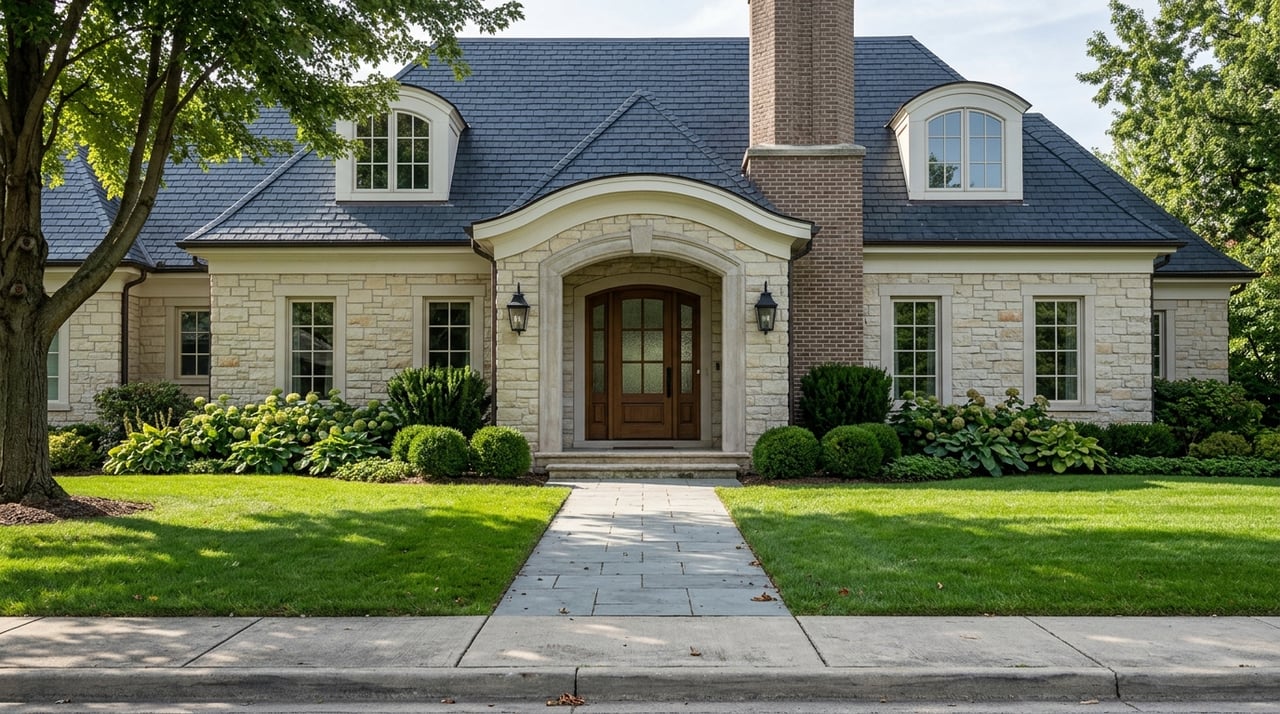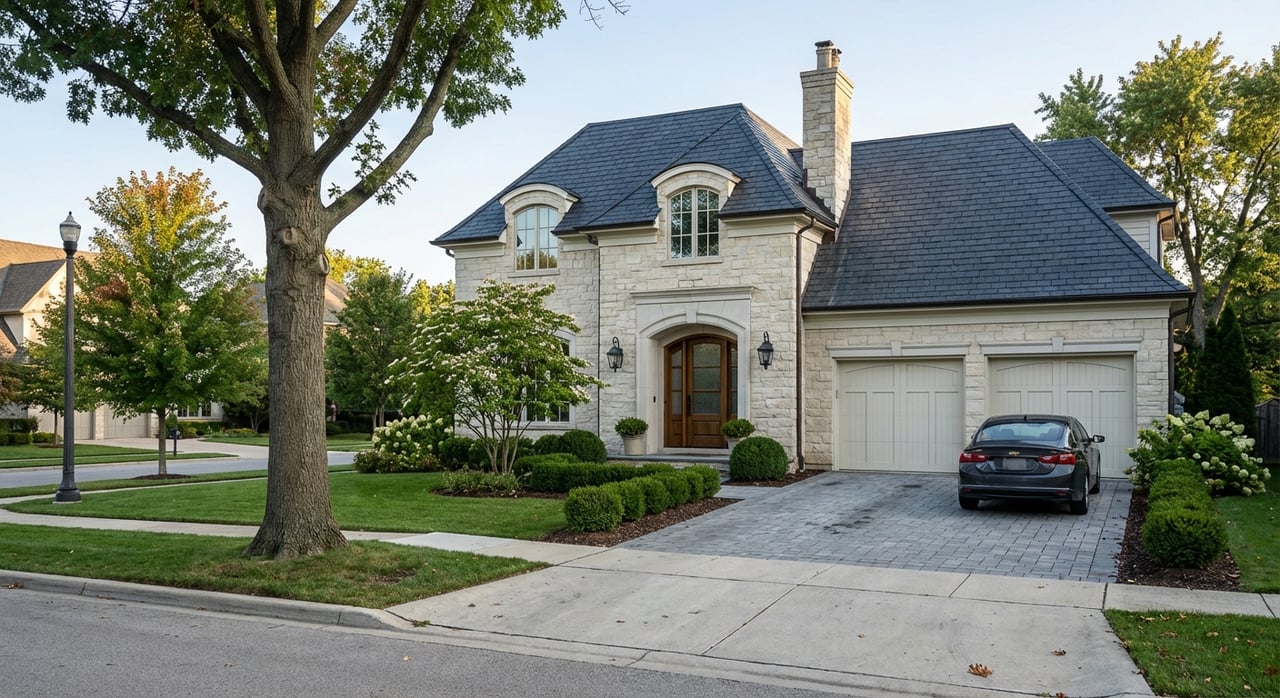
You see a shiny new model home with a big incentive banner, then a great resale pops up across town. Which one gives you more value in Chambersburg right now? It is a real question when every dollar counts and appraisals are tight.
You want a clear way to compare pricing, incentives, and long-term value without surprises at closing. In this guide, you will learn how new construction and resale pricing really work, how to use net-effective price, and how to tailor a CMA to Chambersburg’s micro-markets. You will also get practical buyer and seller strategies you can use this week.
Let’s dive in.
Chambersburg’s micro-markets matter
In Chambersburg and the wider Franklin County area, small location factors create big pricing differences. School district boundaries, neighborhood age, lot size and topography, and your position near I-81 or Route 30 all shape demand and pricing bands within just a few miles. Commute patterns and proximity to major employers and institutions also play a role.
New subdivisions and single-family infill behave differently than long-established neighborhoods. Builders often release multiple spec homes and floor plans side by side, so buyers can compare similar options quickly. Resales are more dispersed, and each home’s upgrade history, condition, and lot carry more weight.
Supply works differently too. Builders set prices based on costs, land and labor supply, their target margins, and how fast they expect to sell each phase. Resale prices are set by sellers and agents in response to recent closed sales. That is why your pricing approach should reflect the micro-market you are in, not just all of Chambersburg.
New build pricing vs resale pricing
How list prices are set
- New builds start with a base price for the floor plan. Then you add options, lot premiums, and any model or spec pricing. Builders may offer promotions like closing-cost help, mortgage rate buydowns, free upgrades, or incentives tied to a preferred lender or title company. These reduce your out-of-pocket cost but do not always lower the contract price.
- Resales list relative to recent closed comps, condition, and local demand. Buyer concessions such as seller-paid closing costs or repair credits are negotiated case by case and are less standardized than builder programs.
Transparency and timing
- New construction prices can feel less transparent. The advertised price and the final cost after options and incentives may differ. Builders also adjust promotions quickly as inventory and rates change.
- Resales adjust more slowly. List price changes happen at the individual property level, often in response to showing feedback and nearby sales.
What buyers value
Many buyers like the peace of mind that comes with newness, lower maintenance, and builder warranties. Others prefer the character, mature landscaping, and location advantages that often come with resales. Your best move is to compare the true net cost against what you value most in daily living.
The net-effective price rule
To compare a new build to a resale, use net-effective price, not just the advertised or contract price. This helps you compare apples to apples across incentives and upgrades.
- Net-effective price = Contract price minus buyer-facing builder incentives (cash rebates, closing-cost help, lender credits, rate buydowns) plus the value of included upgrades or options that resales would not include.
- Document every line item. Pull details from the purchase contract, builder addenda, lender credit sheets, and HOA documents.
For example, if a builder agrees to pay a portion of your closing costs or fund a temporary rate buydown, that lowers your effective cost even if the contract price stays the same. If the builder includes a finished basement or higher-end flooring that a resale comp does not have, add a fair market value for those features to your comparison. Do not rely on the builder’s package price alone. Estimate upgrade value based on replacement cost or typical market value in the neighborhood.
Build a Chambersburg-ready CMA
A great CMA in Chambersburg accounts for micro-markets and incentives. Here is a practical flow you can follow:
- Define the micro-market. Narrow by school district, subdivision, lot type, commute corridor, and the age bracket of nearby homes.
- Pull 3 to 6 closed comps with similar lot, square footage, bed and bath count, and condition. In a changing market, prioritize the last 90 days. Extend the window if sales are slow.
- For new construction comps, record the contract price and itemize all builder incentives and allowances. Convert each to net-effective price before you compare price per square foot or make line-item adjustments.
- Adjust for time. If prices or rates have shifted since those sales closed, apply a time adjustment. Use recent sold and pending data to gauge direction.
- Make property-level adjustments. Consider age and condition, lot premiums or views, finished vs unfinished basements, appliance and systems packages, energy features, HOA or community amenities, and property taxes.
- For resales, include any seller-paid credits or repairs to calculate the net price the market actually paid.
- When possible, obtain builder sales data for recent specs, common lot premiums, and standard upgrade packages. Add them as comparables only after you net out incentives.
Keep an assumptions page with your CMA. Show your incentive calculations, your data sources, and why you weighted certain comps more than others. This helps with negotiations and supports the appraisal.
Appraisal and financing checkpoints
Appraisers determine market value from comparable sales and will consider concessions. Lenders also recognize seller concessions up to program limits that vary by loan type and occupancy. Sometimes sellers or builders raise the contract price while offering concessions to fit program rules. Appraisers may adjust or question the structure if it does not reflect market value.
If you use a builder’s preferred lender for a rate buydown, confirm how the buydown is documented. Ask for a written breakdown showing the net effect on your cost so the lender and appraiser can reconcile it. Coordinate early with your lender and the appraiser to ensure incentives are disclosed and included in the appraisal package.
Strategy for buyers: compare new vs resale
- Ask for itemized builder incentives. Confirm whether incentives are temporary, tied to a preferred lender, or only for certain homes or lots.
- Compare net-effective prices across similar new communities and nearby resales. Include upgrade value and lot premiums in your math.
- Watch inventory and timing. You may gain leverage if builder inventory grows, a model home ages, or rates cool demand.
- Weigh non-price factors. Consider warranty coverage, energy savings, maintenance costs, commute patterns, and HOA features when deciding between two similar net prices.
- Prepare for appraisal. Share your incentive breakdown with your lender early to reduce surprises.
Strategy for sellers competing with new construction
- Price against the net-effective competition. If builders are offering rich incentives that lower a buyer’s real cost, you may need either a targeted price shift or compelling value add.
- Highlight what new builds cannot copy easily. Larger or more mature lots, established neighborhood setting, and immediate move-in timing can tip the scales.
- Consider targeted concessions. A small rate buydown or limited closing-cost help can be more effective than a broad price cut.
- Update and present well. Strategic updates, staging, and high-quality marketing can pull focus to your home’s strengths.
- Track builder behavior weekly. Promotions can change fast. Stay current to avoid chasing the market.
Quick checklists
Buyer comparison checklist
- Define your micro-market and target subdivisions.
- List your must-have features and lot needs.
- Get itemized builder incentive sheets and preferred lender terms in writing.
- Run net-effective price for each option, including upgrade value and lot premiums.
- Compare warranty and maintenance costs vs expected updates on resales.
- Share the incentive breakdown with your lender and ask about program limits.
Seller positioning checklist
- Identify nearby new communities and their current incentives.
- Build a CMA that nets builder concessions from recent sales.
- Decide on a pricing path or targeted concessions that match buyer demand.
- Emphasize location benefits, lot, and recent improvements in your marketing.
- Recheck builder promotions every 1 to 2 weeks and adjust if needed.
When to choose new build vs resale in Chambersburg
Choose a new build if you want warranty coverage, low maintenance from day one, and the chance to customize layout or finishes. This can make sense when builder incentives meaningfully reduce your net cost or when energy efficiency is a priority.
Choose a resale if you value location within a specific established neighborhood, want a larger or more mature lot, or prefer to avoid construction timelines. A well-kept resale can beat a new build on net value when upgrades and incentives are limited on the builder side.
The best choice is the one with the strongest net-effective price and the features that fit your lifestyle. Let the numbers guide you, then use your priorities to break the tie.
Get local help you can trust
If you want a side-by-side, net-effective comparison of new builds and resales in your Chambersburg micro-market, our team can help. We can prepare a clear CMA, document incentives, and coordinate with your lender and appraiser so your deal stays on track. When you are ready, connect with Hoover Lynam and Associates LLC to get started or click Get Your Home Valuation.
FAQs
How do you compare a builder’s incentive to a resale price in Chambersburg?
- Use net-effective price: start with the contract price, subtract buyer-facing builder incentives like closing-cost help or rate buydowns, then add fair value for included upgrades that resales would not have.
Will an appraiser count builder concessions on new construction in Franklin County?
- Yes, appraisers consider documented concessions, but value is based on comparable sales; lenders also have program limits on concessions that you should verify early with your loan officer.
Should a Chambersburg seller cut price to match nearby builder discounts?
- Not automatically; first compare the builder’s net-effective pricing, then decide between a targeted price change or focused concessions, while emphasizing your home’s unique strengths.
Do new-home upgrades hold full value at resale in Chambersburg?
- Often not; some upgrades are recoverable while others return less, so document each upgrade in your CMA and apply realistic market value rather than the builder’s package cost.
How often should you refresh your CMA when builders are active nearby?
- Weekly to biweekly monitoring is smart during active sales phases, since builder incentives and spec pricing can shift quickly and change the competitive set.