What does your day look like when everything you need is a short walk or quick drive away? If you are curious about life in Lebanon’s in-town neighborhoods, you are not alone. Many buyers start here for the mix of historic homes, local shops, and practical convenience. This guide gives you a clear picture of housing, errands, parks, commutes, and what to expect on a typical day so you can decide if it fits your goals. Let’s dive in.
Why in-town Lebanon appeals
Living in-town means you are within the city grid and close to downtown. You will find a walkable core with historic storefronts, civic buildings, and everyday services. Many residents choose these blocks for the convenience and the local character you notice on your first visit.
Neighborhood look and feel
“In-town” Lebanon includes compact streets, smaller lots, and a mix of homes and businesses near each other. The vibe is more urban than the surrounding townships, with local shops and service providers close by. You will see a range of upkeep from beautifully maintained properties to homes that may need work.
Housing types and character
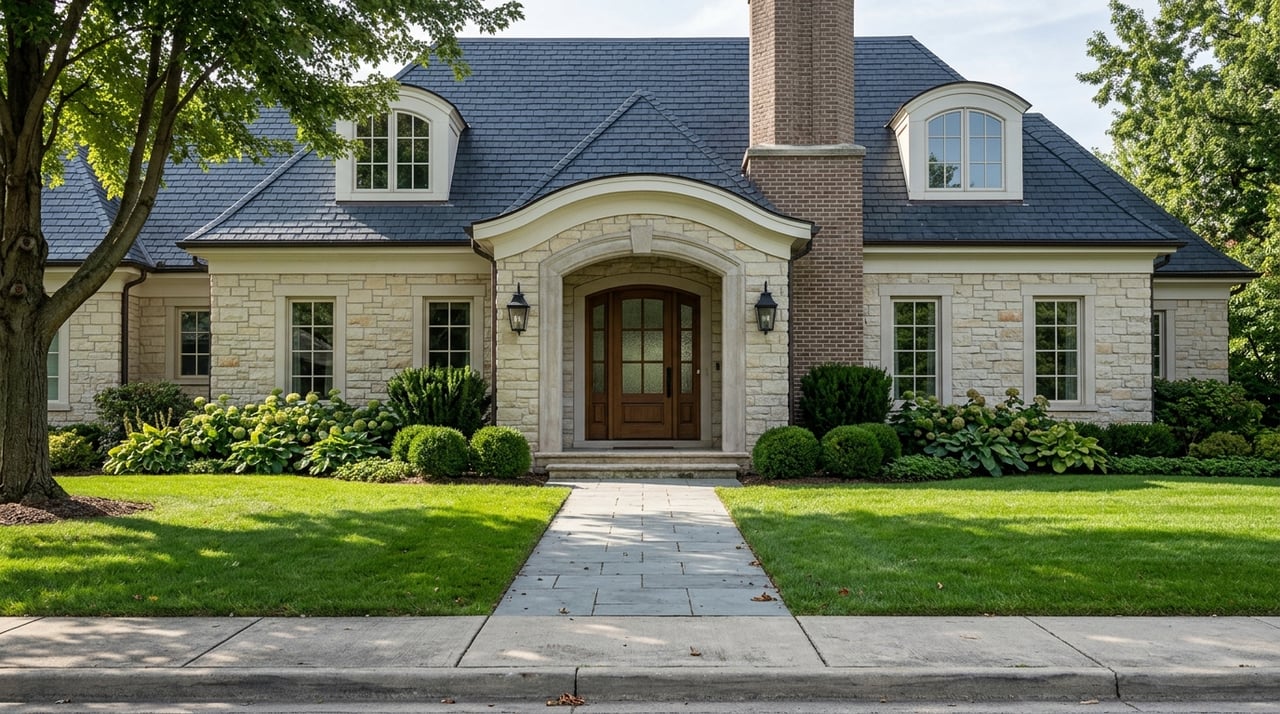
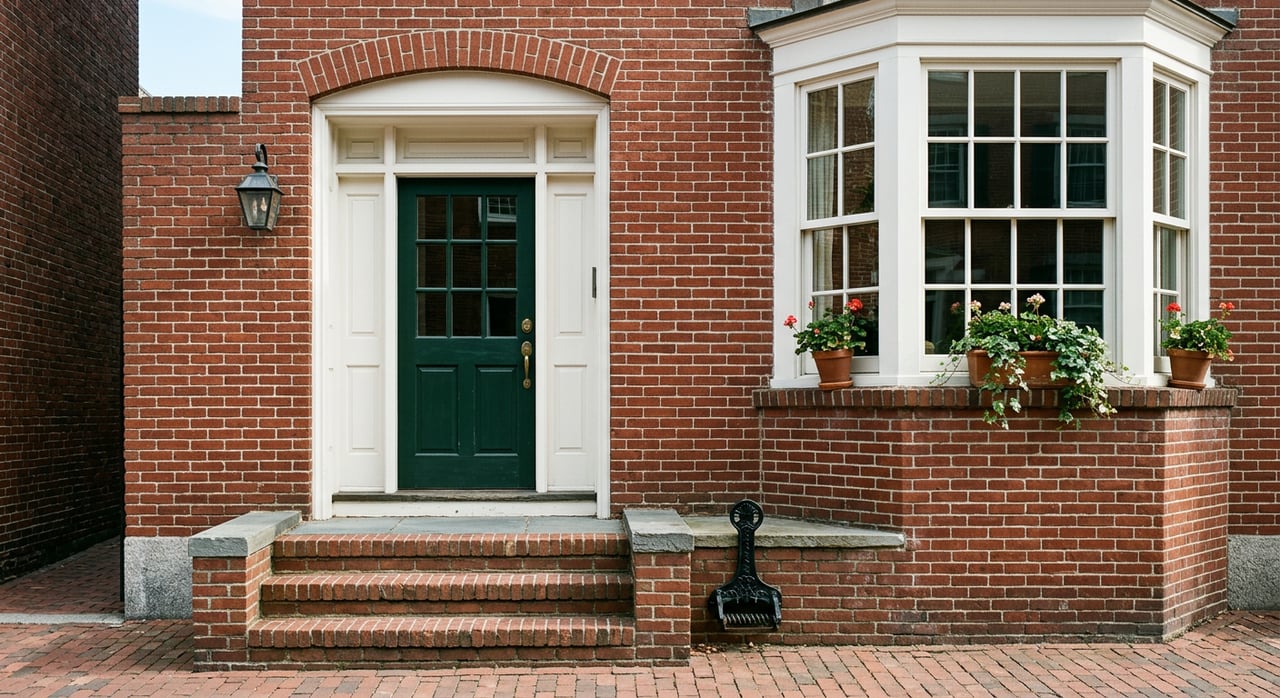
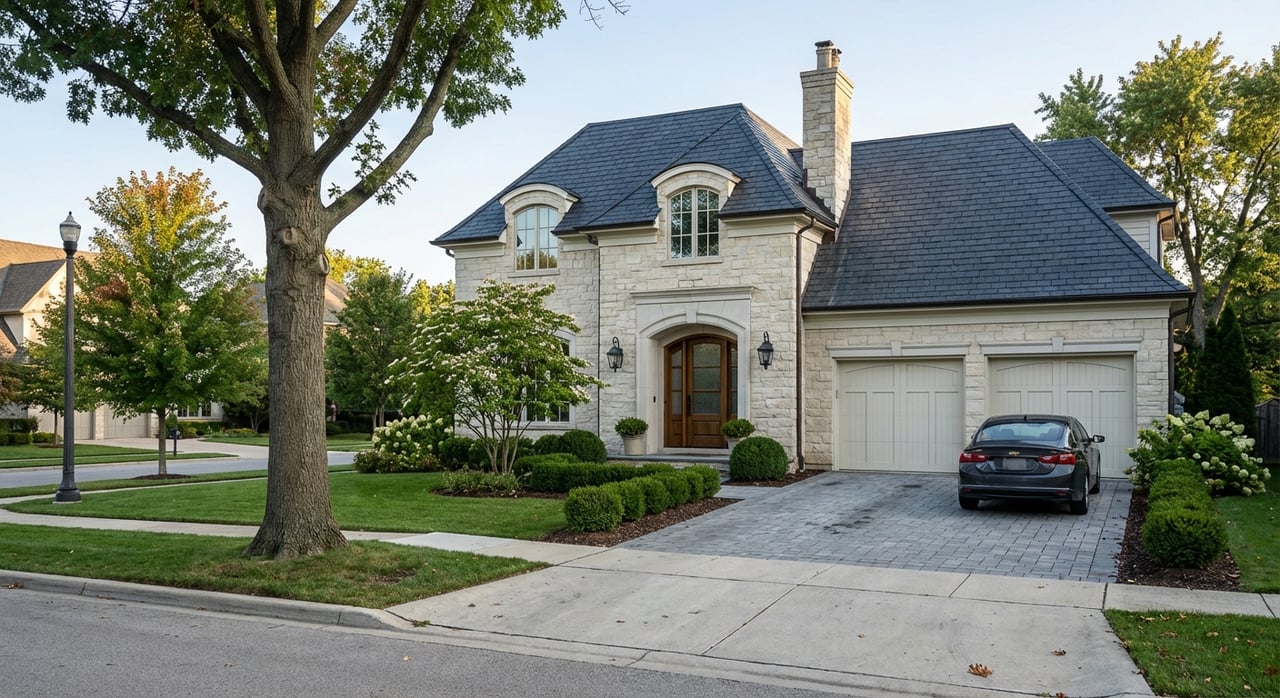
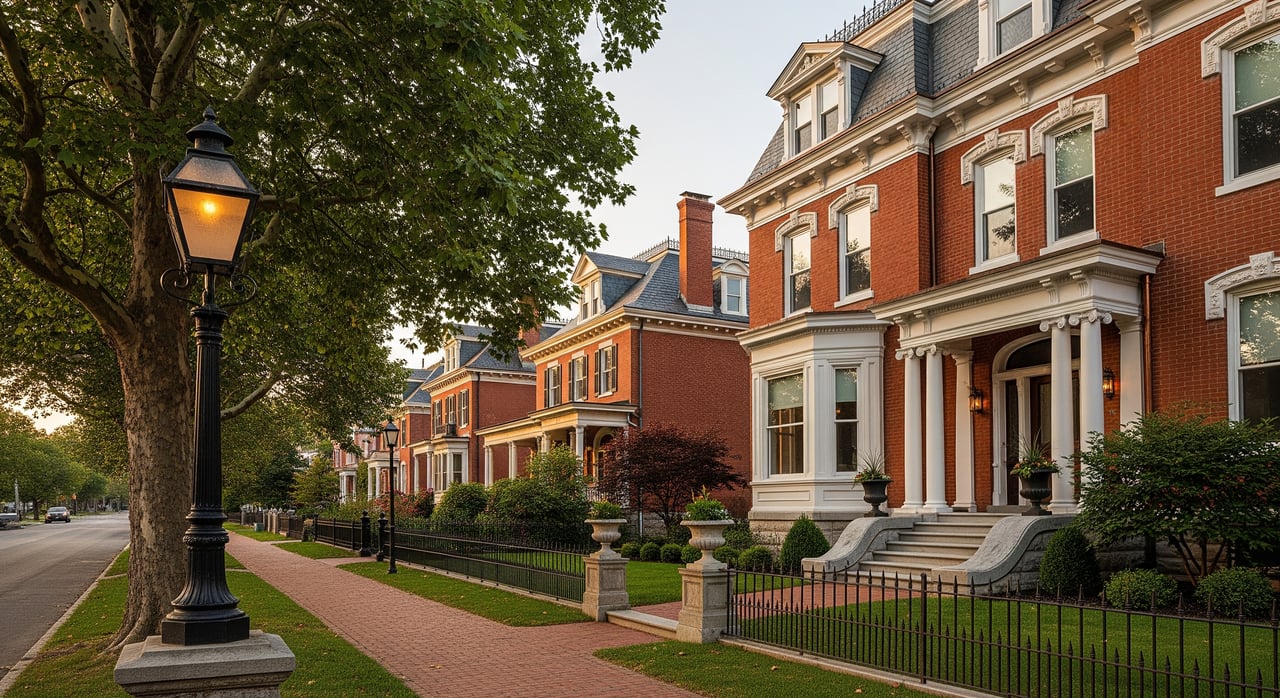
You will find late 19th and early 20th century rowhouses and twins, modest single-family homes from the early to mid 20th century, and small multi-family properties near the core. Some historic homes have been updated or renovated, and there are occasional infill builds. Yards and garages tend to be smaller than suburban options, which helps keep the neighborhood compact and convenient.
Affordability and market context
Historically, city homes in Lebanon have been more affordable than larger nearby metro areas like Harrisburg and Lancaster. Because the housing stock is older, condition varies block to block. If you are shopping, plan for a thorough inspection and a realistic budget for updates.
Everyday errands and dining
Downtown and nearby corridors offer a practical mix of diners, family restaurants, cafes, banks, and service businesses. Small markets and convenience stores can be close, while larger grocery stores and big-box options are usually a short drive toward the outskirts. Hours and menus lean local, which adds charm, but expect fewer late-night options than a big city.
Parks and recreation nearby
In-town residents typically have access to neighborhood parks, playgrounds, and municipal recreation facilities. Seasonal programming, including youth sports and classes, is often run by city or county departments. Larger county parks and state areas are a quick drive if you want bigger trail systems or waterfront access.
Healthcare, schools, and services
WellSpan Good Samaritan Hospital serves the city and is a major local healthcare hub. Public schools are in the Lebanon School District, and there are private parochial options in the area. Libraries, the post office, and municipal services are centrally located, which makes routine tasks simple.
Getting around and commute
In-town streets connect easily to state routes for regional travel. Driving is common, and some residents combine one car with walking or local transit if they work nearby. Street parking can include curbside permit or time limits, so check the rules on your block before you buy.
Transit, walkability, and bikes
Lebanon Transit operates local bus service within the county. Walkability is strongest in the downtown core, and sidewalk quality varies as you move out from the center. Dedicated bike infrastructure may be limited, so evaluate specific routes you plan to use.
Typical commute questions
Many people commute to nearby centers such as Harrisburg or Lancaster. Travel times depend on time of day and route, so test your commute during peak hours. If you prefer rail, plan on driving to a regional station since passenger rail does not run directly in the city.
Safety and practical planning
Perceptions of safety can change by block and time of day. Review current crime data from official sources and talk with local residents to understand patterns. Some blocks have active neighborhood groups and community policing programs that support resident engagement.
Utilities, taxes, and inspections
In-town homes typically have municipal water, sewer, and trash service. Older homes may need updates to plumbing, electrical, roofing, or HVAC. Budget for inspections, and confirm property and school tax rates with the county assessment office.
Renovation and historic details
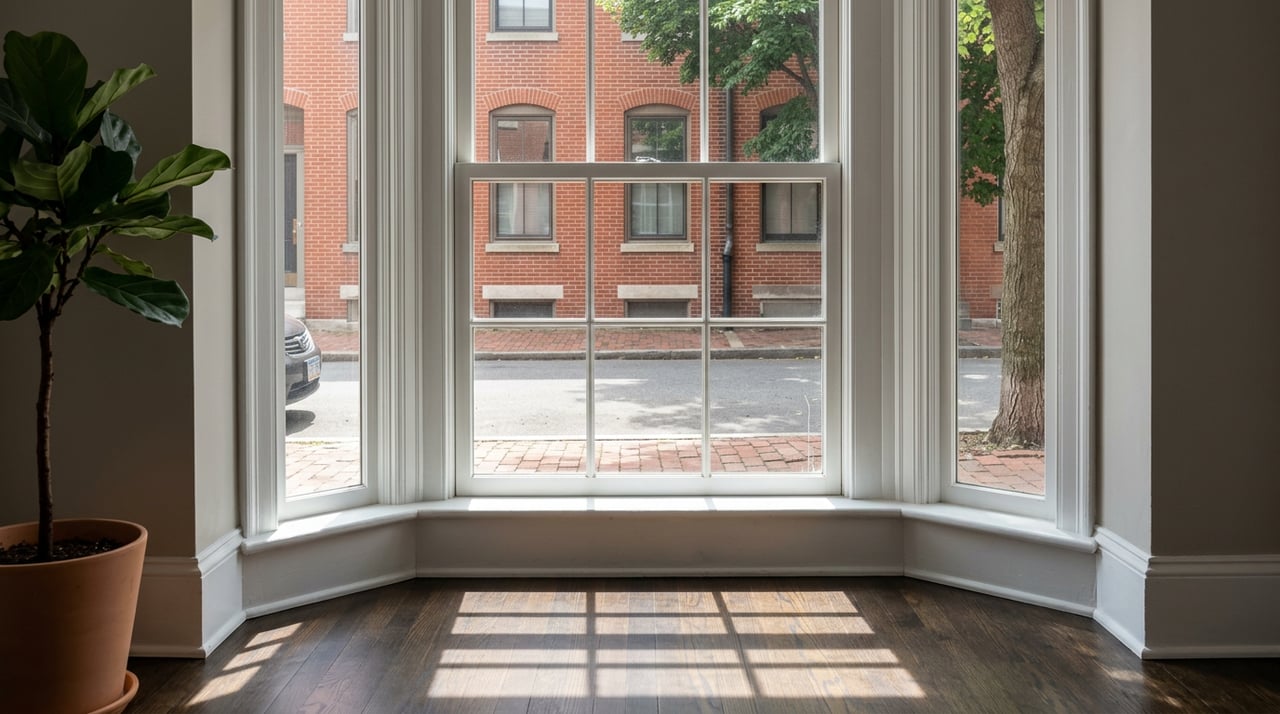
If you love original woodwork, porches, and brick, historic homes can be rewarding. Before exterior changes, check whether a historic district or preservation rules apply. This avoids surprises when you are planning improvements.
Who in-town living fits
You may enjoy in-town living if you like being close to services, do not need a large yard, and appreciate older homes. First-time buyers often value the mix of price and convenience. If you prefer new-build communities and larger lots, you might look to nearby suburban townships.
How to explore like a local
- Visit at different times: weekday morning, evening, and weekend.
- Map your top five errands from each home you tour.
- Test the drive to your job during peak hours.
- Walk a few blocks to check sidewalks and crossings.
- Note parking rules and availability on the street.
- Ask about recent updates to major systems in older homes.
Buyer and investor tips
- Get pre-approved before you tour. In-town homes at the right price can move quickly.
- Plan for an inspection with specialists who know older systems.
- If you are considering multi-unit or a house hack, confirm zoning and the scope of any prior conversions.
- Keep a flexible renovation budget for hidden items like wiring, plumbing, and insulation.
Final guidance
Lebanon’s in-town neighborhoods offer a practical, small-city lifestyle with close-in services, historic streets, and access to regional job centers. You get a walkable core, a variety of home types, and a community calendar that feels local and accessible. If that sounds like your pace, start with a few blocks you like, walk them at different times, and talk to neighbors.
When you are ready to move from browsing to buying or selling, our team can help you compare blocks, size up renovation needs, and spot opportunities, including select off-market options. Reach out to Hoover Lynam and Associates LLC for local guidance and a plan tailored to your goals.
FAQs
What does “in-town” Lebanon include?
- The compact city grid near downtown with older residential blocks, mixed uses, and close-by services.
Are groceries and pharmacies close by?
- Small markets and convenience stores can be in-town, while larger grocery and pharmacy chains are typically on the city’s edges.
What housing styles are most common?
- Late 19th and early 20th century rowhouses and twins, modest single-family homes, and small multi-family buildings near the core.
How do commutes to Harrisburg or Lancaster work?
- Most commuters drive using state routes; test your route during peak hours since travel times vary by time of day.
Is downtown walkable for errands and dining?
- Many downtown blocks are walkable for meals and services, though walkability varies as you move away from the core.
What should I budget for older homes?
- Plan for inspections and potential updates to roofing, electrical, plumbing, and HVAC, plus routine maintenance.
Where can I learn about schools?
- The city is served by Lebanon School District; review official state reports and visit schools for current programs.
What about safety in specific blocks?
- Check official crime data and speak with residents and local professionals to understand conditions by block and time of day.